
Drivers may notice their steering wheel turning on its own or pulling to one side, often caused by misaligned wheels, uneven tire pressure, worn suspension parts, or power steering problems. Loose or damaged steering linkages can also make the wheel move suddenly. Ignoring the problem can reduce control, increase tire wear, and create safety risks. Fixing it promptly ensures safer driving and prevents further damage to the steering system.
Yes, a steering wheel that turns by itself is a common issue and is often linked to realignment problems, uneven tire pressure, or worn steering and suspension components. Drivers may catch the vehicle pulling to one side or the wheel floating while driving on straight roads. Addressing steering-related issues early improves automobile control, prevents further damage to critical elements, and keeps the vehicle safe, stable, and comfortable to drive.
Is It Normal for a Steering Wheel to Turn by Itself?
It is not normal for a steering wheel to spin on its own. This issue usually indicates problems with wheel alignment, varying tire pressure, or worn steering and suspension components. Ignoring it can compromise vehicle control and security. Early inspection and maintenance help ensure stable handling and prevent further damage.
Common Reasons nd Fixes Your Steering Wheel Turns on Its Own.
A steering wheel turning on its own is usually caused by misaligned wheels, uneven tire pressure, or worn brake and steering components. Fixing these problems promptly restores valid control, improves safety, and prevents further damage.
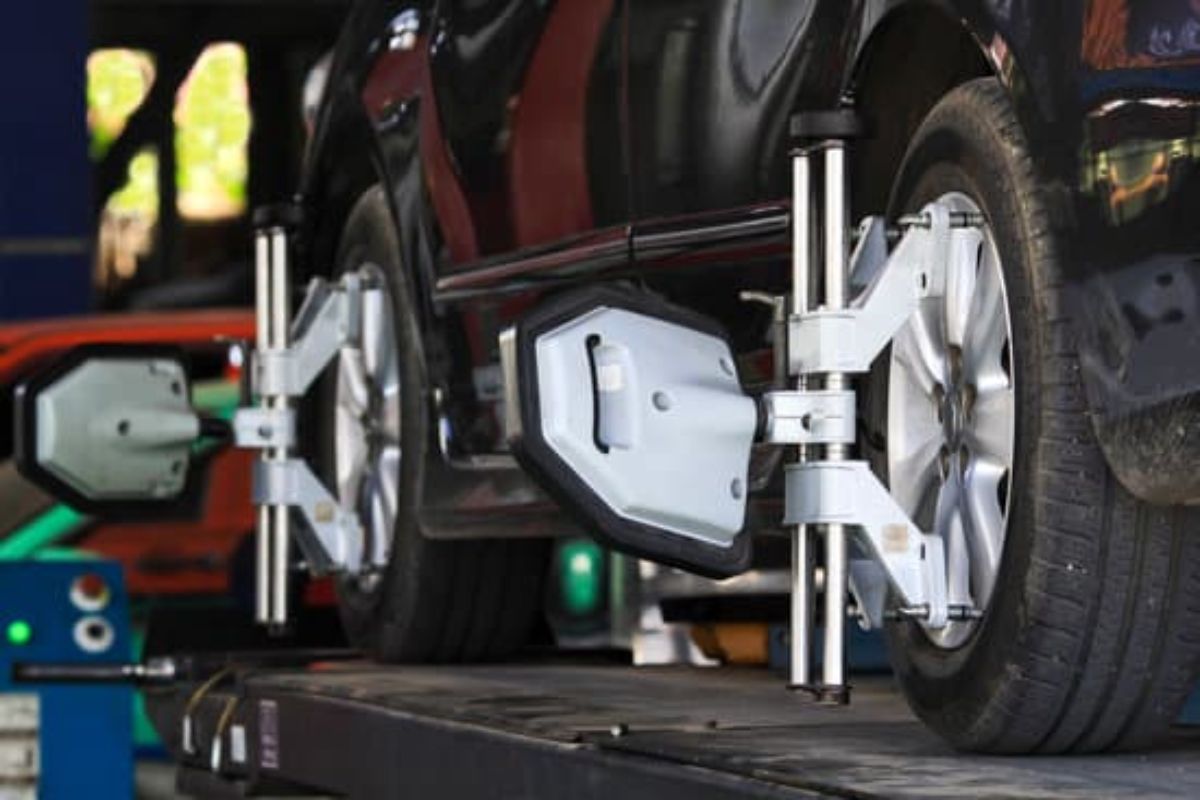
1. Wheel Alignment Issues
Misaligned wheels can cause the vehicle to pull to one side, making it difficult to maintain a straight path. Motorists may notice uneven tire wear and increased steering effort. Over time, this can force the steering wheel to move on its own, especially at higher speeds.
Check your tires for uneven wear and make sure all are properly inflated. Park on a flat surface and see if the steering rotation is centered when the wheels stand sober. Take the car for a slow, straight drive to see if it pulls to one side. Adjust tire pressure or process if needed to improve alignment.
2. Worn or Damaged Suspension Components
Worn or damaged suspension elements, such as tie rods, ball joints, or control components, can cause unstable handling. Motorists may experience uneven tire connection with the road, resulting in the steering wheel turning all the way around unexpectedly. This reduces vehicle control and increases the risk of accidents.
Uneven tire wear, excessive bouncing, or unusual noises over bumps can show worn suspension parts. Inspect accessible shocks, struts, and springs for damage or leaks. Replacing or adjusting these parts helps restore smooth handling and vehicle stability.
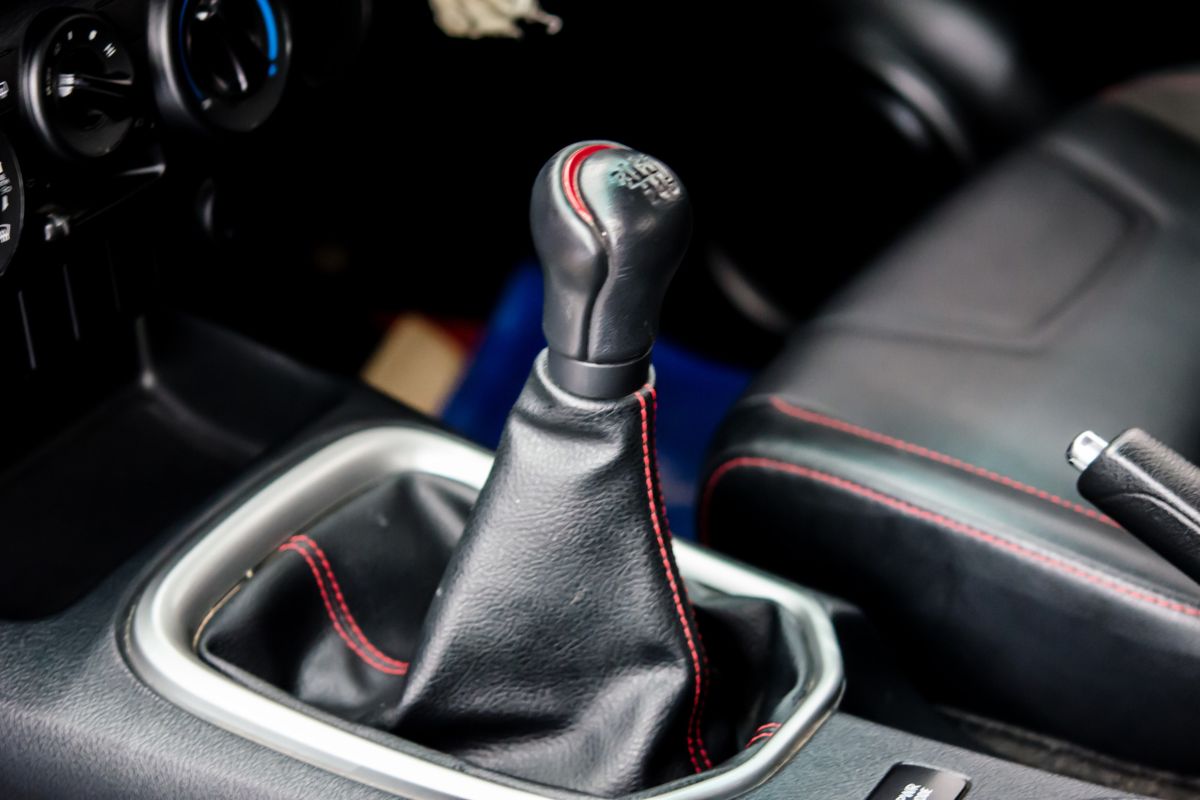
3. Lever problem
A faulty or loose steering lever can cause inconsistent steering response. Drivers may detect that the steering wheel turns all the way around or feels loose during plots, compromising control and increasing the risk of accidents. Misalignment of the lever can even contribute to uneven tire wear and unstable handling.
If the lever feels loose, stiff, or unresponsive, make sure it is properly lubricated and free of mud or debris. Tighten any visible bolts or screws that secure it in place. Test the lever gently to ensure smooth movement. Adjust carefully until it operates correctly without forcing it.
4. Power Steering System Problems
Issues with the power steering wheel shake the braking method, such as low fluid levels, leaks, or a failing pump, can cause steering to be heavy or unresponsive. Drivers may notice the steering wheel move on its own, particularly at low speeds or during turns, reducing control and overall driving safety.
Ensure the power steering liquid is at the correct level and clean. Slowly turn the steering wheel from side to side to detect any stiffness, jerks, or unusual noises. Noticing these signs early can help prevent bigger steering problems.
5. Uneven or Incorrect Tire Pressure
If your tire pressure is uneven or incorrect, your ride can become rough, fuel efficiency may drop, and tires can wear out faster. This problem is often problematic to see until you feel vibrations or handling issues while driving.
Rotate your tires regularly to ensure even wear and balance. Keep an eye out for tires that look visibly low or bulging, and inflate them to the proper pressure. Proper tire pressure improves handling, reduces vibration, and extends tire life.
6. Steering Rack or Tie Rod Problems
When the steering rack or tie rods are worn or damaged, you may notice the steering wheel move on its own. This can make the car harder to control and handling unstable. It can also induce uneven tire wear and increase the risk of accidents.
Feel for any unusual play or beats in the steering wheel while driving slowly in a straight line. Apply gentle force to the tie rods and steering rack joints to see if they move excessively. Lubricate accessible moving parts to reduce stiffness and monitor for consistent steering response.
7. Road Conditions and Vehicle Design Factors
Poor road conditions, like potholes or rough surfaces, combined with certain vehicle design factors, can cause the car to shake or pull to one side. This can lead to discomfort while driving, uneven tire wear, and reduced power over the vehicle.
Drive carefully on uneven or rough streets to reduce steering vibrations. Adjust your pace and avoid sudden turns over bumps. Using tires suited for your vehicle and road type can improve handling, reduce wear, and make driving smoother.
8. Electronic Power Steering (EPS) Malfunctions
When the Electronic Power Steering (EPS) design malfunctions, the steering may feel rich, unresponsive, or jerky. This can make controlling the vehicle difficult, especially at low speeds, and may increase the risk of accidents.
If the steering feels heavy or unresponsive, restart the vehicle to reset the EPS system. Make sure the battery is fully charged, and connections are secure. Drive slowly to notice any extraordinary resistance or warning lights, which can help identify EPS issues early.
9. Effects of Sloped or Uneven Roads
Driving on sloped or uneven roads can cause the vehicle to pull to one side, which reduces steering control and may lead to uneven tire wear. This not only affects the car’s handling but also makes the ride uncomfortable and more tiring for the driver.
Drive slowly and hold both hands firmly on the steering wheel when on sloped or uneven roads. Adjust your speed to maintain control over bumps and dips. Using properly inflated tires and keeping the suspension in good condition helps reduce vibrations and improve stability.

Can Steering Wheel Self-Turning Be Dangerous?
A self-turning steering wheel can lead to unexpected swerving or collisions. It decreases vehicle stability and makes controlling the car difficult, especially at high speeds. Addressing the problem promptly is crucial for safety.
1. Warning Signs You Should Not Ignore
Warning signs are placed to inform people about possible dangers and to guide them safely. If these signs are ignored, accidents and serious harm can occur. By following warning signs, we can protect ourselves and others and ensure safety on the road.
2. How to Diagnose the Problem
To diagnose the issue, first observe the signs and identify what is causing the problem. Check the vehicle or system carefully for unusual sounds, movements, or warnings. Finding the actual cause helps in fixing the problem accurately and on time.
3. When to Visit a Mechanic
If you are talking about sitting still in a parking lot in neutral or in gear with your floor on the brake, and the steering wheel is pushing around, then you need to see a mechanic; you have a problem with your car.
Cost of Fixing a Self-Turning Steering Wheel
If you fix a minor issue yourself, such as wheel alignment or tightening a loose part, the cost may be around $20 to $50.However, if you visit a mechanic, including labor and replacement parts, the price can range from $80 to $200 or more, relying on the problem.
Prevention
- Get wheel alignment checked regularly to keep the vehicle balanced.
- Maintain proper tyre pressure to avoid uneven pulling.
- Replace worn or damaged suspension and steering parts on time.
- Drive slowly on uneven or sloped roads.
- Get regular vehicle inspections from a professional mechanic.
video guide
Frequently Asked Questions(FAQs)
1. Can road camber make the steering wheel turn slightly?
Yes, road camber can make the steering wheel turn slightly because the slope of the road naturally pushes the vehicle to one side. This is normal, but drivers should adjust their steering to keep the car on a straight path.
2. Why does the steering wheel turn by itself at low speeds?
At low speeds, the steering wheel may turn by itself due to uneven road surfaces, road camber, or worn steering and suspension parts. The effect is more noticeable at low speeds because there is less momentum to keep the vehicle moving straight.
3. Does weather affect steering wheel behavior?
Yes, weather can affect steering wheel conduct. Shower, snow, or ice can make roads slippery, causing the vehicle to pull or skid, which may make the steering wheel move unexpectedly. Excessive heat can also affect tyre pressure and suspension, slightly altering steering response.
4. Can recent repairs cause steering wheel self-movement?
Steering wheel self-movement can happen after recent repairs if parts were not installed perfectly or wheel alignment was compromised. Loose bolts, improper suspension work, or incorrect alignment may lead to unexpected steering behavior.
5. Should I keep driving if the steering wheel turns on its own?
Driving should be avoided if the steering wheel circles on its own, because it can cause loss of control and accidents. The vehicle should be checked by an experienced mechanic immediately to identify and fix the problem safely.
Conclusion
When a steering wheel spins by itself, it usually indicates an issue with the vehicle’s alignment, brakes, or steering components. Uneven roads, road camber, or low tyre pressure can also cause this problem. Ignoring it can lead to unsafe driving conditions and increase the risk of accidents. Regular maintenance, proper tyre care, and timely inspections by a mechanic can prevent this issue. Addressing the cause early ensures safer and smoother driving.
Also Read:
- Is it safe to drive a car that has a broken suspension spring
- Steering Feels Loose After New Suspension? Fix It Fast Before It Becomes Dangerous
- Turn Off ‘Keep Hands on Wheel’ Alerts Fast – Safe Step-by-Step Guide
- Why Does My Steering Wheel Turn by Itself? Causes & Easy Fixes
- What Happens If You Reverse Power Steering Lines? Full Guide