
Car owners sometimes experience unexpected engine problems and ask, Can a Bad Power Steering Pump Cause the Engine to stall. The power steering pump is connected to the engine and operates through a belt system. When the pump begins to fail, it can place an extra load on the engine. This issue becomes more noticeable at low speeds or while turning the steering wheel. Problems like internal pump damage, fluid leaks, or increased resistance affect engine performance. Early warning signs include whining noises, stiff steering, and fluctuating engine RPMs.Fixing the problem on time improves vehicle reliability and prevents sudden engine stalling.
Can a Bad Power Steering Pump Cause the Engine to Stall?
Yes, a failing power steering pump can cause the engine to stall in certain situations. When the pump wears out or begins to seize, it puts extra load on the engine, especially at low speeds. This added resistance can overwhelm the engine and lead to stalling. Low power steering fluid, leaks, or a damaged belt can further increase engine strain and cause RPM fluctuations. Ignoring the issue may not cause immediate stalling in all vehicles, but it can lead to serious engine and steering damage.
Most Common Reasons a Power Steering Pump Causes Engine Problems
There are several common reasons why a power steering pump can cause engine problems, including low or leaking power steering fluid, worn internal pump components, or belt-related issues. Most of these problems increase engine load and affect performance, but they are often easy to diagnose and fix with timely maintenance or minor repairs.
1. Worn or Broken Drive Belt
A worn or broken drive belt can prevent the power steering pump from working properly, making the steering stiff and affecting engine performance. Common signs include whining or squealing noises when turning the wheel. Replacing the damaged belt restores smooth steering and normal engine operation, which is important if you plan to trade in a car with a check engine.

2. Low or Contaminated Power Steering Fluid
Low or dirty power steering fluid makes the pump work harder, increasing engine load and reducing performance. This can lead to whining noises, stiff steering, or a rough idle. Refilling or flushing the fluid usually fixes the problem and restores smooth steering.
3. Internal Pump Wear or Seizing
Worn or damaged pump components make it harder for the pump to rotate, straining the engine. This can lead to stalling, rough idling, or stiff steering. The engine may struggle to compensate for the added load. Replacing the faulty power steering pump is the main fix.
4. Hydraulic Leaks in the System
Leaks in the power steering system reduce hydraulic pressure, forcing the engine to work harder. This can make steering feel stiff and affect overall engine performance. Common signs include fluid puddles under the vehicle or a whining pump noise. Identifying and repairing the leaks restores proper pressure and smooth steering.
5. Engine Strain at Idle or Low RPM
The power steering pump puts extra load on the engine, which is most noticeable at idle or low speeds. This can cause stalling, rough idling, or difficulty turning the steering wheel. Common symptoms include fluctuating RPMs and engine hesitation. Basic fixes include checking the pump, belts, and fluid levels to reduce strain.
How to Diagnose and Fix the Problem
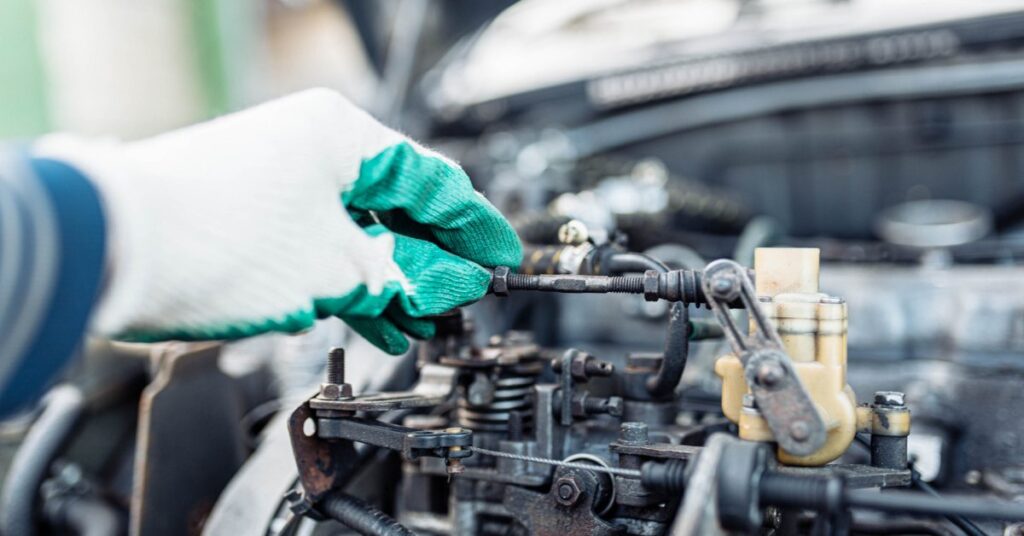
If your steering feels stiff or the engine stalls, check the power steering fluid and refill or flush if needed. Inspect the drive belt and replace it if it’s worn or broken. A failing pump should be replaced. These fixes will restore smooth steering and prevent engine strain.
1. Easy Steps to Fix a Worn or Broken Drive Belt
If your steering feels stiff or you hear whining noises, a worn or broken drive belt in the car engine bay could be the cause. Inspect the belt for cracks, fraying, or slipping, and replace it if damaged. When installing, make sure the belt is properly tightened, not too loose or too tight. After replacement, test the steering to ensure smooth operation and reduce strain on the engine.
2. How to Fix Low or Contaminated Power Steering Fluid
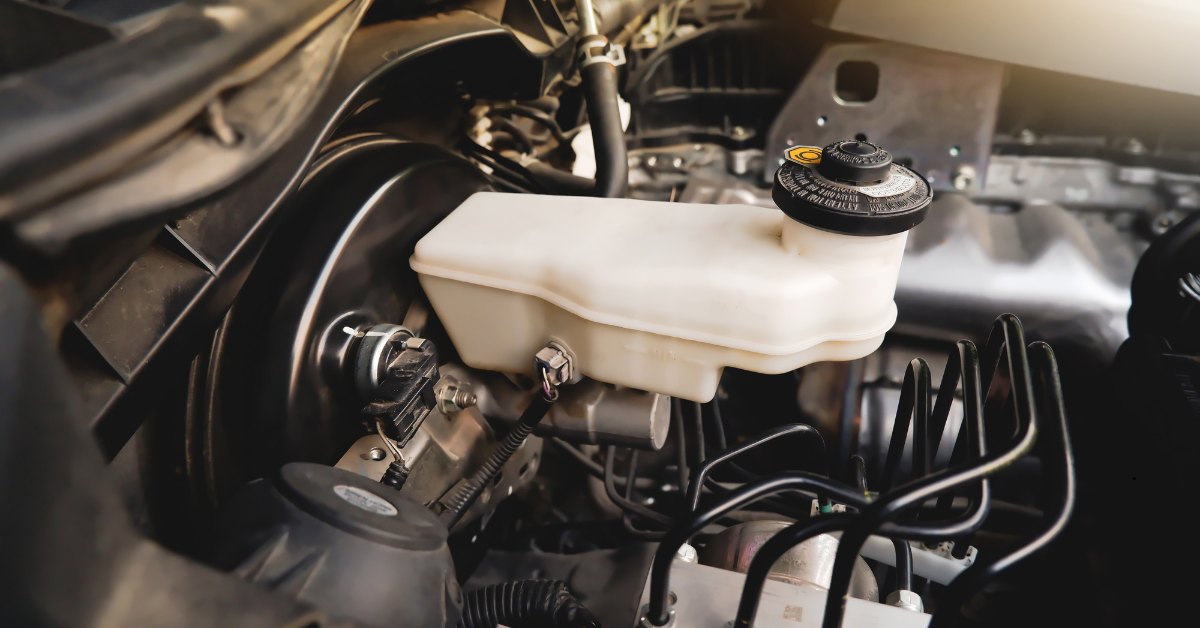
If your steering feels stiff or you hear whining noises, low or dirty power steering fluid could be the cause. Check the fluid level and top it up, or perform a full flush if it’s contaminated. Using the correct fluid and testing the steering ensures smooth operation and reduces engine strain.
3. Internal Pump Wear or Seizing – How to Resolve
If your steering feels stiff or the engine stalls, the power steering pump may be worn or seizing. Listen for whining or groaning noises, which indicate internal pump damage. Worn or seized pumps cannot be repaired and must be replaced. After installing a new pump, check the fluid level and for any leaks to restore smooth steering and reduce engine strain.
4. How to Fix Hydraulic Leaks in the System
If your steering feels stiff or you notice fluid under the vehicle, there may be a hydraulic leak. Inspect hoses, connections, and the pump, tightening or replacing any damaged parts. After repairs, refill the power steering fluid to restore smooth steering and reduce engine strain.
5. How to Solve Engine Strain at Idle or Low RPM
If the engine struggles or stalls at idle, check the power steering pump, fluid, and drive belt. Refill or flush low or dirty fluid and replace any worn belts or failing pumps. These steps reduce engine load and restore smooth steering at low speeds.
Prevention: How to Avoid Engine Stalling From Power Steering Issues
Maintain the recommended power steering fluid levels and use good-quality fluid. Replace worn or cracked belts and inspect the pump and hoses during routine maintenance. Address unusual noises or stiff steering immediately to prevent further damage. These simple steps help avoid engine stalling and keep the steering system working smoothly.
Video Guide:
FAQs:
1. Why does my engine hesitate when turning the steering wheel?
Engine hesitation during steering can occur when the pump puts extra load on the engine, especially at low speeds.
2. What causes whining or groaning noises when I turn the wheel?
Noises can indicate internal pump wear, low fluid levels, or a failing belt that affects both steering and engine performance.
3. Can low-power steering fluid affect engine performance?
Yes, low or contaminated fluid increases pump effort, which can strain the engine and sometimes cause stalling or rough idling.
4. Why does the steering feel stiff and the RPM fluctuate?
A worn pump, hydraulic leaks, or a slipping belt can make the steering hard to turn and cause engine RPMs to vary.
5. What maintenance can prevent steering-related engine problems?
Regularly checking fluid levels, inspecting belts and hoses, and replacing worn components helps avoid strain on the engine and ensures smooth steering.
Conclusion
A failing power steering pump can cause the engine to stall by putting extra load on it. Many of these problems are preventable with proper maintenance and timely repairs. Regularly check the fluid levels, belts, and hoses to catch issues early. Addressing unusual noises or stiff steering promptly helps avoid further damage. Consistent care keeps your vehicle safe, reliable, and ensures smooth steering.