
If you have ever worked on your brakes or felt a soft brake pedal, you probably asked yourself do you bleed brakes with the car on or off. This is one of the most common brake questions I hear from car owners, and honestly, the confusion is understandable.
After working on cars for over 15 years, I can tell you that the answer is simple in most cases, but there are a few situations where people get it wrong. In this guide, I will explain when the brake bleeding should be on, how brake bleeding actually works, and how to do it properly without damaging anything.
What Does Bleeding Brakes Mean?
Bleeding brakes means removing air trapped inside the brake lines. Your braking system works using hydraulic pressure. Brake fluid does not compress, but air does. When air gets into the system, the brake pedal feels soft, spongy, or sinks too far before the car slows down.
This usually happens after brake lock repairs, fluid replacement, or when there is a small leak that lets air inside. Brake bleeding pushes that air out so the pedal feels firm again, and braking becomes safe and predictable.
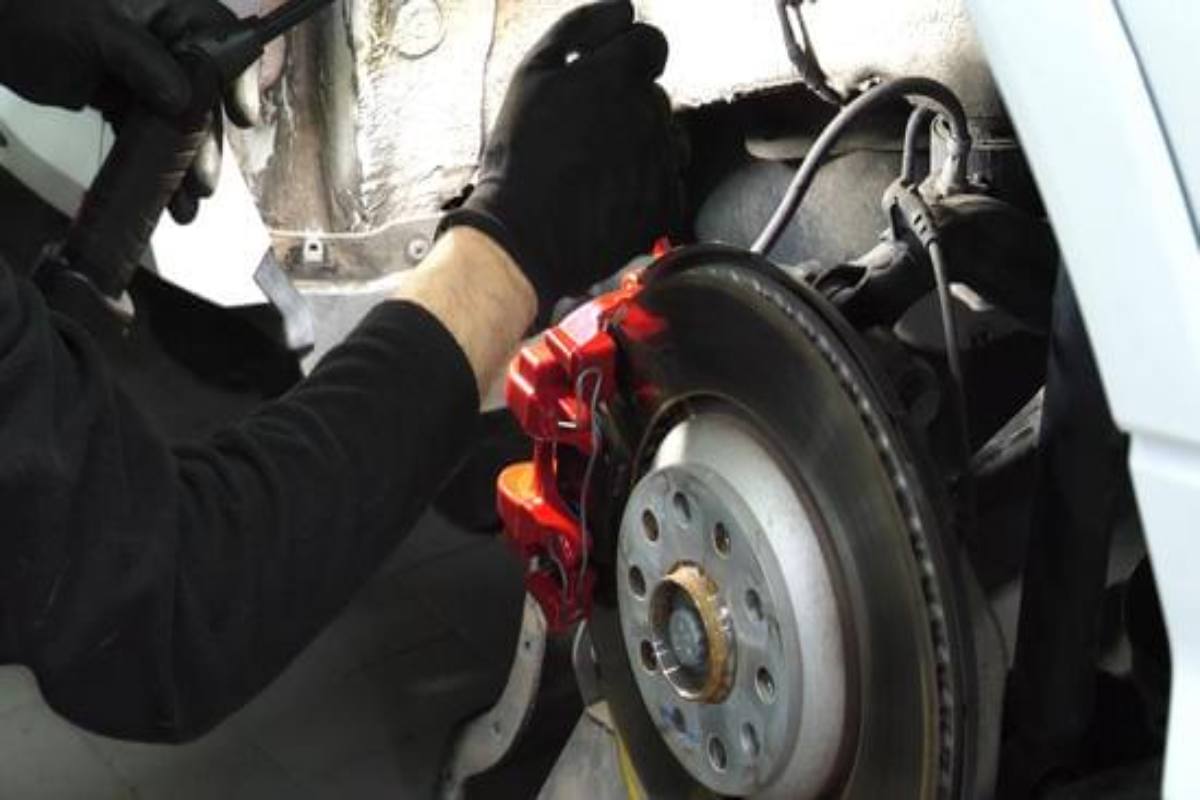
Do You Bleed Brakes With the Car On or Off? – A Quick Answer
Let’s answer the main question clearly.
In most vehicles, you should bleed the brakes with the car off. This applies to traditional hydraulic brake systems and many modern cars as well. When the engine is off, the brake booster is not active, which gives you better control over brake pedal pressure during bleeding.
People often ask whether you bleed brakes with the car on or off because they notice the pedal feels harder with the engine off. That is actually a good thing during brake bleeding. It helps push air out steadily instead of forcing fluid too aggressively.
Why Bleeding Brakes With the Engine Off Is Recommended
When the engine is running, the brake booster adds extra force to the pedal. This can make the pedal drop too quickly and may cause the master cylinder piston to travel farther than normal. Over time, this can damage seals inside the master cylinder.
Bleeding brakes with the engine off keeps everything controlled and reduces the risk of introducing new air or causing internal damage. This is why most mechanics, including myself, prefer the engine-off method unless the vehicle specifically requires otherwise.
When Bleeding Brakes Should the Car Be On?
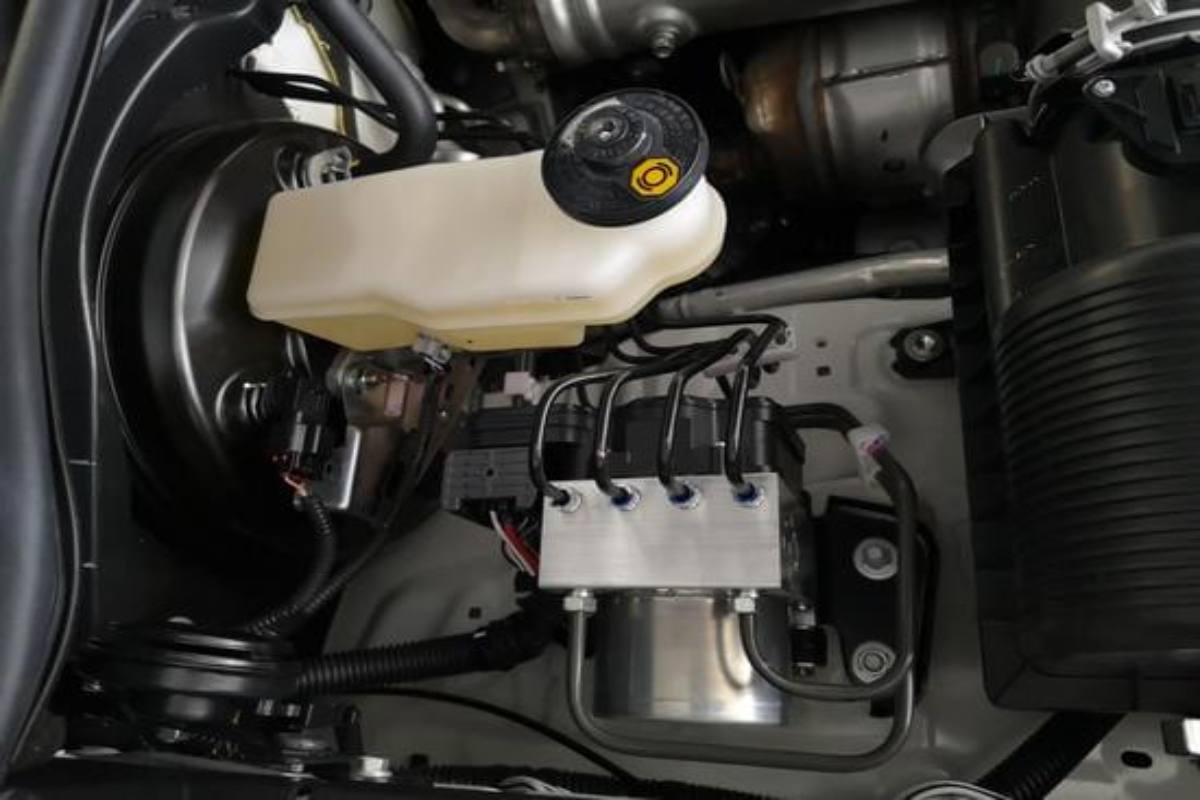
There are a few exceptions where the engine may need to be on. This usually involves ABS brake systems on certain vehicles. Some ABS systems trap air inside the ABS module, and the only way to remove it is by activating the ABS pump.
In those cases, a scan tool is often required. The scan tool cycles the ABS valves while bleeding the brakes. This is why some people search do you bleed ABS brakes with the engine running.
The important thing to understand is this: you should not turn the engine on unless the manufacturer’s instructions say so. Guessing can cause more problems than it solves.
Understanding ABS and Brake Bleeding
Not all ABS systems are the same. Some allow normal brake bleeding with the engine off. Others require a special bleeding procedure that includes cycling the ABS pump. Without a scan tool, many home mechanics cannot fully bleed these systems.
If your brake pedal still feels spongy after bleeding, air may be trapped in the ABS unit. In that situation, professional equipment may be needed.
How Do You Bleed Brakes Properly?
Knowing how to properly bleed brakes is just as important as knowing whether the car should be on or off. The process itself is simple, but skipping steps or rushing can leave air in the system.
Here is a basic overview of how to properly bleed brakes:
- Park the car on a flat surface
- Turn the engine OFF
- Check and top up brake fluid
- Start with the correct brake bleeding sequence
- Open the bleeder valve
- Press the brake pedal slowly
- Close the valve before releasing the pedal
- Repeat until no air bubbles appear
Brake Bleeding Sequence Matters
The brake bleeding sequence is critical. You always start with the brake making farthest from the master cylinder and work your way closer. This ensures air is pushed out in the correct direction.
Most vehicles follow this order:
- Rear passenger side
- Rear driver side
- Front passenger side
- Front driver side
Some vehicles may have a different sequence, so checking the service manual is always a smart move.
The 2 Man Brake Bleed Method
The 2 man brake bleed method is one of the most reliable and commonly used techniques. One person sits in the driver’s seat and slowly presses the brake pedal. The other person opens and closes the bleeder valve at the wheel.
The engine should remain off during this method. The person on the pedal should press slowly and hold pressure until the bleeder valve is closed. Releasing the pedal too early can pull air back into the system.
Can You Bleed Brakes by Yourself?
Yes, you can bleed brakes yourself using vacuum or pressure-bleeding tools. These tools allow one person to remove air without having to pump the brake pedal.
Even when bleeding, the engine should usually be off. These tools rely on steady pressure, and turning the engine on is unnecessary in most cases.
When to Bleed Brakes
You should consider bleeding brakes if:
- The brake pedal feels spongy
- Brake fluid was replaced
- Brake lines were opened
- You installed new calipers or wheel cylinders
- Braking performance feels weak
Knowing when to bleed brakes can prevent serious safety issues.
Common Mistakes People Make When Bleeding Brakes
One common mistake is bleeding with the engine running when it is not required. Another is pumping the brake pedal too fast. Fast pumping can break air bubbles into smaller ones, making them harder to remove.
Another mistake is not tightening the bleeder valve properly, which can allow air to sneak back in. Always clean the bleeder area before opening it, and never reuse old brake fluid.
Final Answer: Car On or Off?
To summarize:
- Bleed brakes with the car OFF in most cases
- ABS systems may require the engine to be running, depending on the vehicle
- Always follow the manufacturer’s instructions
- Engine-off bleeding is safer and more effective for standard brake systems
If you are unsure, keeping the car off is the safest choice.
Frequently Asked Questions (FAQ)
Q1. Do you bleed brakes with the car on or off?
In most cases, you bleed the brakes with the car off. This gives better control and prevents damage to brake system components.
Q2. When bleeding brakes should the car be on?
The car should only be on if the vehicle manufacturer requires it, usually for specific ABS brake systems that need the ABS pump activated.
Q3. How do you bleed brakes if you don’t have a helper?
You can bleed brakes by yourself using a vacuum bleeder or pressure bleeding tool. The engine should still be off unless stated otherwise.
Q5. How often should brake bleeding be done?
Brake bleeding is usually done when brake fluid is changed, after brake repairs, or when the pedal feels soft. It is not typically a routine service unless there is a problem.
Final Professional Advice
Brake bleeding is not difficult, but it must be done correctly. From years of real-world experience, I always recommend keeping the process slow, controlled, and methodical. When done properly, bleeding brakes restores pedal feel, improves safety, and keeps your braking system working the way it should.