
Car owners often like to check their vehicles and keep them in good condition. Knowing how to clean a car’s engine bay properly is an important part of vehicle maintenance. A clean engine bay allows you to spot leaks, corrosion, or worn components early, which can prevent problems that trigger the check engine light. Since almost all cars have different systems and inspection requirements, keeping your engine compartment tidy ensures that sensors, wiring, and critical parts remain in good condition.
Cleaning your car’s engine bay helps keep your vehicle in good condition and reduces the risk of inspection failures. A clean engine bay improves the overall appearance of your car and makes it easier to detect leaks, worn hoses, or corrosion. Regular cleaning prevents dirt and grime from damaging sensors and wiring. This helps your car run efficiently and safely for a longer time.
Most Common Reasons the Engine Bay Needs Cleaning
The engine bay collects dirt, grime, and fluids over time, which can affect its appearance and performance. Regular cleaning helps prevent damage, keeps components healthy, and makes maintenance easier.
- Dirt, Dust, and Road Grime
- Oil or Fluid Leaks
- Battery Corrosion
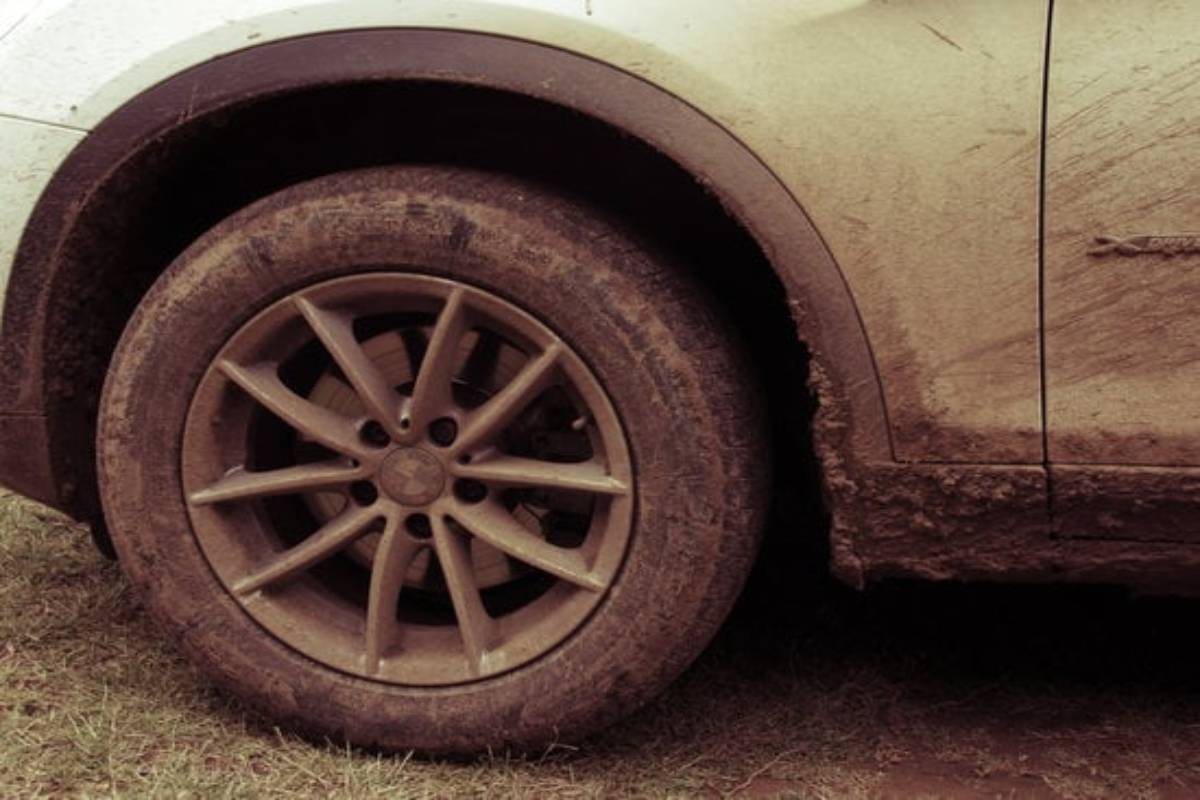
- Mud or Off-Road Buildup
- Rodent Activity
- Sticky Grease & Engine Sludge
- Dirty Plastics and Covers
- Salt Buildup (Winter Areas)
- Leaves and Organic Debris
How to Clean the Engine Bay Properly Before Starting
This section explains the basic steps you should take to safely prepare and clean your engine bay before you begin any detailed work. It helps you avoid damage, stay organized, and make the cleaning process easier.
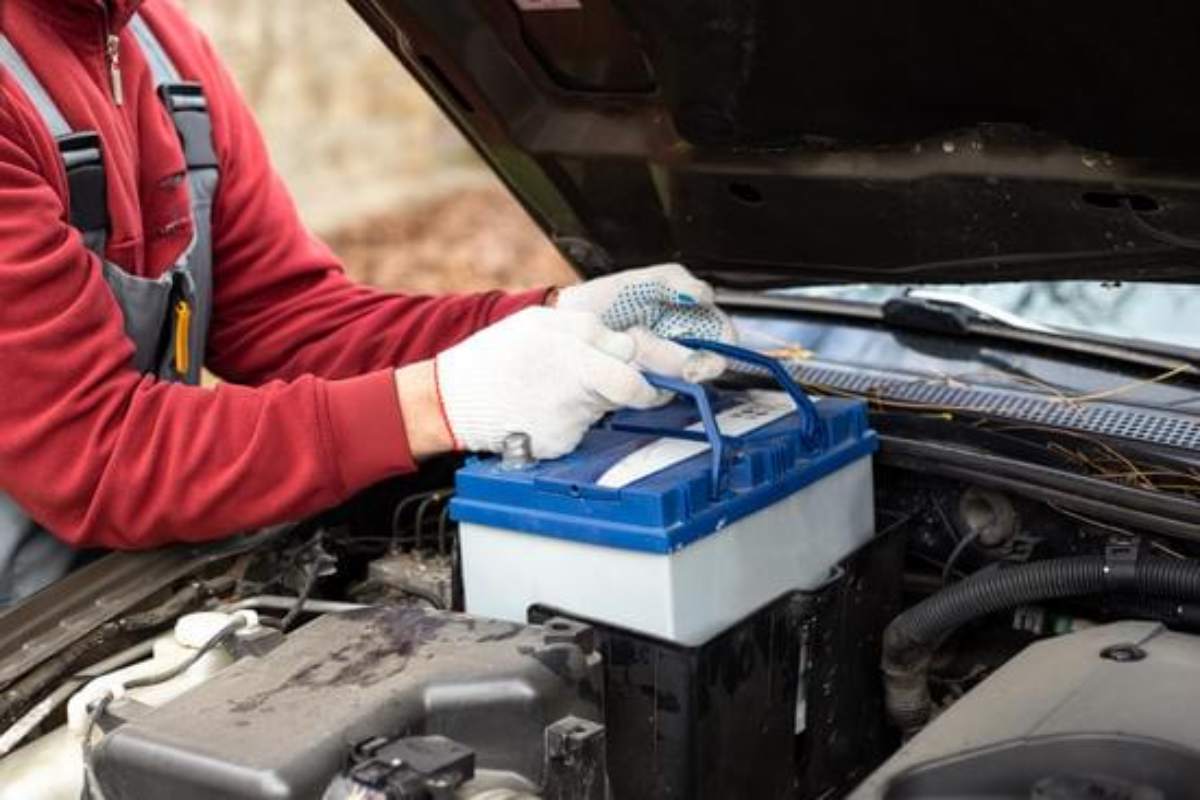
1. Safely Disconnect the Battery and Remove Covers
First, remove the negative terminal of your car battery. Put a small plastic bag over it and tie it so it stays protected. Then take the battery out. Remove the plastic covers so you can easily reach all the small hidden areas for cleaning. Keep your tools organized so you don’t lose anything while working. Take your time and make sure everything is safely out of the way before you start cleaning.
Follow These Steps to Clean Your Engine Bay
1. How to Apply Engine Degreaser
If you take a few basic precautions, cleaning your engine bay with a pressure washer is completely safe. First, wipe off loose dust, spray a diluted degreaser, let it sit for 10–15 minutes, and scrub dirty spots with a brush. Then rinse using a pressure washer from a safe distance, and avoid spraying electrical parts directly for more than 1–2 seconds. With this method, nothing gets damaged, and your engine bay stays clean for months.
2. Cleaning Loose Dirt and Grime
Use a normal water rinse to remove loose dirt, grime, and debris from the engine bay before deep cleaning. If you have a pressure washer, you can use it, but a garden hose works just as well. Just make sure to spray water from at least one foot away from delicate parts to avoid any damage.
3. Wipe and clean plastics
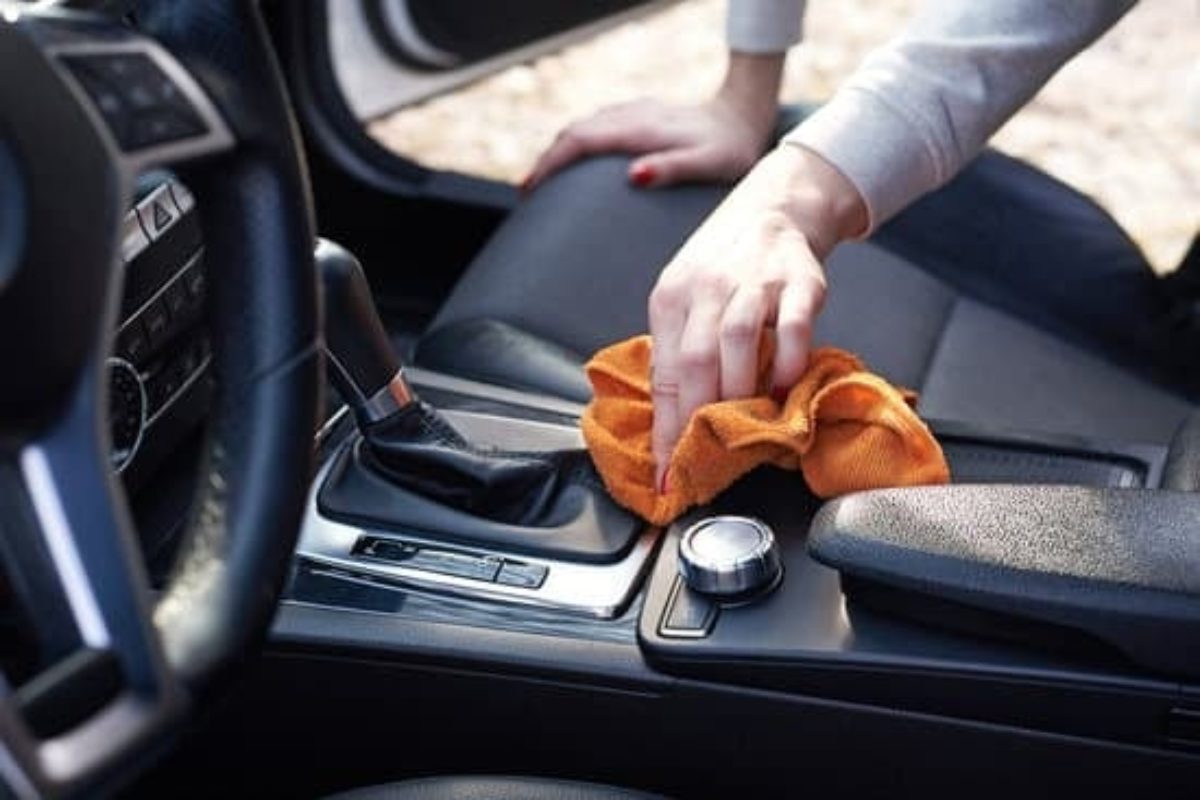
Gently clean plastic parts with a soft microfiber cloth to avoid scratches. If the dirt is heavy, apply a little all-purpose cleaner to the cloth and wipe the surface. After cleaning, wipe again with a dry cloth so the surface looks shiny and clean.
4. Drying steps
Grab a soft microfiber towel and gently dry the surfaces to soak up any leftover water. If you have compressed air, use it to blow water out of tight or hard-to-reach areas. Make sure no moisture is left behind so the surface stays clean and spot-free. Let everything air-dry for a minute to ensure a perfect finish.
How to Reset the Bay Properly After Cleaning
After cleaning the engine bay, first remove any plastic covers you placed on electrical parts and make sure everything is dry. Start the engine for a few minutes to help remove any remaining moisture and check that all sensors and connectors are working properly. Look around for any leaks and recheck the battery terminals to ensure they’re tight and secure. Finish by applying anti-rust spray on metal brackets and making sure no tools or cloths are left inside the bay before closing it.
Prevention: How to Keep the Engine Bay Clean Longer
To keep your car’s engine bay clean for a long time, give it a quick wipe-down once a month and fix any oil leaks as soon as they appear. Use a plastic or rubber conditioner to protect surfaces and avoid parking in places where rodents are common. Always keep the splash guards installed, and never leave food inside the car because it can attract rats. If your car inspection comes with engine bay covers, use them for extra protection, and avoid unnecessary water spraying between major cleanings. Following these habits helps your engine bay stay cleaner, safer, and well-maintained over the long run.
Video Guide:
Want to know how to clean a car engine bay at home safely? This video shows simple steps to make your engine look like new. Learn tips and tricks to avoid damage while cleaning
FAQs:
1. Can I clean the engine when it’s raining?
No, it’s not safe to clean the engine while it’s raining. Excess water can get into electrical components and cause damage or short circuits.
2. What happens if water enters the intake of the engine?
If water enters the intake, it can cause hydrolock, which stops the engine from turning over and can severely damage internal parts like pistons and cylinders. Even a small amount of water in the intake can lead to engine failure if the engine runs before it’s cleared.
3. How do I clean the engine bay without using water at all?
You can clean the engine bay without water by using dry methods like wiping with microfiber cloths, using engine-safe degreasers or sprays, and brushing off dirt from hard-to-reach areas.
Conclusion
Engine bay cleaning is completely safe as long as you follow the right precautions and work carefully. Most of the dirt and buildup you’ll find is simple and easy to clean with basic tools. Just make sure the engine bay is properly dried afterward to avoid moisture-related issues. With a little prevention, you can stop grime, corrosion, and bad smells before they start. Good maintenance not only keeps the engine looking clean but also helps it run smoothly and efficiently for a long time.