
Many drivers get worried when their steering wheel starts vibrating or making noise after installing new tires. This is a common concern, but there’s no need to panic. With 15 years of experience, I can guide you on exactly what the problem in your car might be and how to fix it. I will explain step by step so that by the end, you’ll understand the issue clearly and know the proper solution.
When you install new tires and notice your steering wheel shaking, there could be a few reasons behind it. The most common cause is that the tires are not properly balanced or that the tire tread is uneven. Even minor damage to the rims can also cause the steering to vibrate. Sometimes, even brand-new tires can cause slight shaking, but there’s no need to worry. We will explain the complete solution so you can understand the problem and fix it properly.
Common Reasons & Fixes for Steering Wheel Vibration After New Tires
If you have installed new tires and your steering wheel is shaking. There is a problem behind it, and we have also provided a solution below to help you fix it.
1. Improper Wheel Balancing
If you have installed new tires and your steering wheel is shaking, it could be due to improper wheel balancing. How to fix it is explained below so that you can correct it.
If you don’t fix it, the driver won’t be able to drive properly. If you want to make your driving comfortable, then you should definitely read our solution.
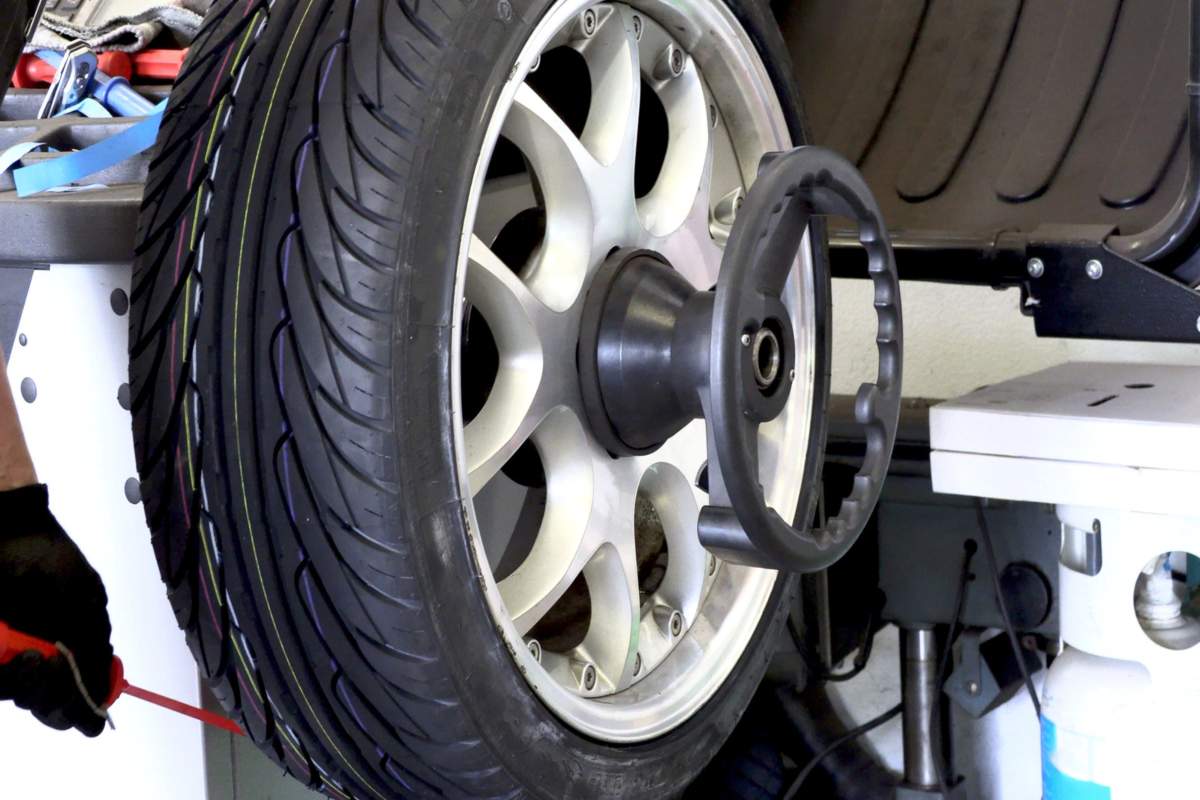
If your steering wheel is shaking due to wheel imbalance, first you should have all four tires of your car balanced and check that all tires are properly installed.
After that, make sure the rims are in good condition. If there is any issue with the rims, you should have them repaired. Once you have done all this, take the car for a drive to see if it is fixed.
2. Wheel Alignment Issues
If you have installed new tires and your steering wheel is shaking, another reason and its solution have been explained above. The second reason is that your tires are misaligned, which can push the steering wheel to shake.
This usually occurs when your car hits potholes or when you drive without checking the tire alignment. Because of this, you cannot drive comfortably.
Below, we explain how to fix your car’s tire alignment and make your driving smooth and comfortable.
If your steering wheel is shaking due to alignment points, first park your car on one side. After that, check all four tires and make sure the tire pressure is equal in all of them.
Then drive the car slowly on a straight road to see whether it stays balanced or moves to one side. If the car pulls to one side, the tires are not in the correct position; fix them properly.
In this way, you can make your driving comfortable. After this, we have also explained other issues and their solutions, so please read them carefully.
3. Bent or Damaged Rims
If your steering wheel shakes, it usually happens when your car hits potholes or rough roads, which can bend or damage the rims.
Even if one rim is damaged, the car cannot run properly, leading to steering shake. If you do not get the rims fixed, it can affect your car’s tires. Below, we explain how to fix this, so make sure to read it to solve the problem.
Suppose your steering wheel vibration is shaking due to bent or damaged rims. Park your car on the side. After that, lift the car with a jack and remove the tires one at a time. If the damage is not too severe, try to straighten the edge slightly.
Then check whether all the nuts are tight, and if not, tighten them. After that, install the tires properly so that all tires are properly balanced.
Once the tires are installed, start the car and take it for a drive to see if the steering wheel stops shaking.
If it is still shaking, there may be another issue, as explained below. Make sure to read them, because if your car has that issue, you should know how to fix it.
4. Defective Tire (Manufacturing Defect)
As we explained above, three issues can cause the steering wheel to shake, and defective tires can do the same.
This happens when your car’s condition is poor, or you do not drive it properly, which means you hit potholes. As a result, your tires are damaged and do not rotate properly.
If this issue is not resolved, it can cause damage to your car. We have provided the solution for this, so if you have this issue, you can fix it.
If your steering wheel shakes due to bad tires, first park your car to check it. After parking, lift your car with a jack and check each tire individually.
You must have a jack to check the tires. After installing the jack, inspect all your car’s tires. If any tire is defective, replace it with a proper tire that fits the rim.
Then install all the tires, and once you have done so, this should fix the issue. After that, to check, take the car for a drive to see if the steering wheel is no longer shaking.
5. Incorrect Tire Pressure
If your steering wheel shakes due to incorrect tire pressure, this is also one reason, as we have explained above. This happens when your car’s tires are overinflated, so they do not make proper contact with the road.
Because of this, the steering wheel shakes, but the problem is not noticeable while driving normally. It is felt when you go on a long drive in hilly areas.
If you want to drive comfortably, we have a solution. Check it to fix the issue if you have it.
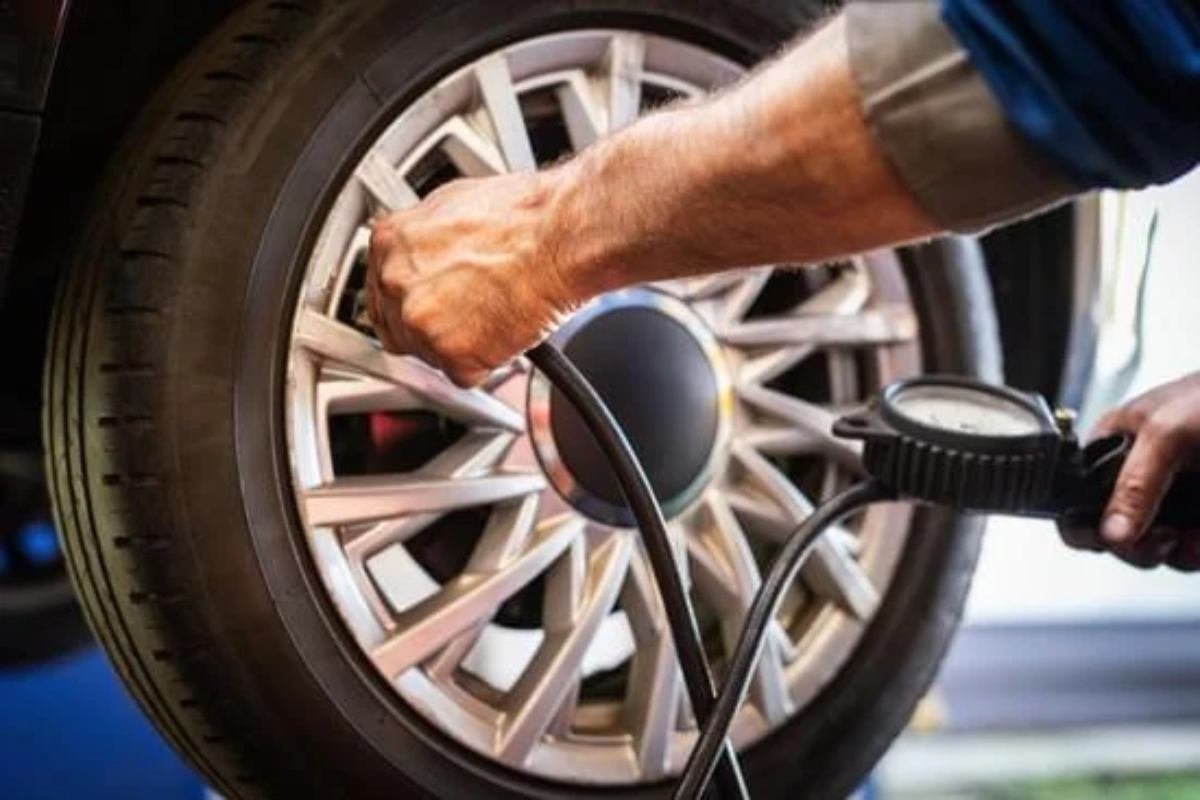
If your steering wheel shakes due to incorrect tire pressure, it is also an issue, and we have the solution. As we explained above, you first need a tire pressure gauge to check the tire pressure.
If you do not have one, get one from somewhere and use it to check the tire pressure. If the pressure is incorrect, fix it and fill it to the correct level.
Check tire pressure when the tires are cold; drive the car a little to check it. In this way, the issue will be fixed.
If you still feel that your steering wheel is shaking, we have explained 2 other reasons and their solutions, so make sure to read them.
6. Loose or Improperly Tightened Lug Nuts
Loose or improperly tightened lug nuts are also a reason, as we have explained above, which can cause your steering wheel to shake.
This happens when they are not tightened properly, and you notice it when installing or removing new tires on your car.
Because of these loose nuts, many problems can occur in your car, and it can be very dangerous, forcing you to stop the moving car, so you cannot drive.
But do not worry, we have provided the solution below so that if any problem occurs, you can fix it.
If your steering wheel shakes due to loose or improperly tightened nuts, the solution is as follows: first, park your car on one side. After that, check all the nuts on the wheels.
If any nut is loose, you will need a tire iron to tighten it. After tightening the loose nuts, the issue can be fixed.
To check, take the car for a drive. If the steering wheel is still shaking, as we explained above, there are 5 other reasons and their solutions; this could also be one of them, as we have provided below.
DIY Checks Before Visiting a Mechanic
If you want to save money, we will give you some tips so that you can check things yourself and save money. First, check whether all the tires are fully inflated.
After that, check the condition of your tires to see whether they are fine or not. Then check whether your steering wheel is shaking by moving it gently to find out if there is any vibration.
All these tips save your money and time, and after checking everything, you can fix the issues yourself.
Signs You Need Skilled Help
Above, we have listed the tools you need. Below, we have listed the signs; after reviewing them, you should consult a skilled person.
- Persistent Steering Wheel Wobble – Pulses continue even after balancing and adjusting tire stress.
- Uneven or Rapid Tire Wear – Tires wear better on one side, signaling alignment or rest issues.
- Pulling to One Side – The car drifts left or right despite straight steering input.
- Strange Noises from Suspension – Clunks, squeaks, or bangs when turning or going over bumps.
- Visible Rim or Component Damage – Cracks, bends, or worn bushings that can’t be fixed efficiently at home.
Prevention Tips to Avoid Steering Wheel Vibration After New Tires
As we have explained above, we have listed the tools and the signs, and after looking at them, you should consult a mechanic. Now, we are giving prevention tips, which you can check yourself to see what issues may occur.
- Balance Wheels Regularly – Specifically after new tires.
- Check Alignment – Keeps tires sporting evenly.
- Maintain Tire Pressure – Check monthly.
- Inspect Rims and Tires – Look for bends or defects.
- Monitor Suspension – Honor tie rods, ball joints, and bushings in good shape.
Frequently Asked Questions (FAQs)
Q1. Why Does My Car Shake At High Speeds After Changing The Wheels?
Your car may shake at high speeds due to unbalanced wheels, misaligned tires, or minor rim damage. Checking the balance alignment and tire condition usually fixes the problem.
Q2. Can Tire Rotation Help Reduce Shaking While Driving?
Yes! Rotating your tires can help lower shaking by evening out tire wear and balance. It can improve ride smoothness and extend tire life.
Q3. Does An Uneven Road Surface Affect Vehicle Stability With New Tires?
Yes! Uneven roads can make the beats and wobbling from new tires more noticeable. Even properly seated tires may feel shaky on rough or uneven surfaces.
Q4. How Often Should Wheel Alignment Be Checked After Getting New Tires?
Wheel alignment should be inspected whenever you install new tires or if you notice pulling, uneven tire wear, or steering vibrations. Regular reviews every 6–12 months help keep your car stable and tires lasting longer.
Q5. Can Worn Suspension Parts Cause Noticeable Steering Issues Even With New Tires?
Worn suspension elements, such as tie rods, ball joints, or bushings, can cause noticeable steering problems even with new tires. They can transmit vibrations via the steering wheel, involving handling.
Conclusion
Steering wheel vibration after new tires is a stock issue, but most causes are easy to identify and fix. Pests like unbalanced wheels, misalignment, bent rims, or worn suspension segments can all contribute. Regular upkeep, proper tire care, and cautious inspections can prevent these vibrations. By following the tips and answers provided, you can enjoy a slick and safe driving experience.