
Brakes are very important for your car because they help you stop it. Through this, you stop your car, which is very important. If your car’s brake pedal feels soft, it’s a serious problem. It shows that there is an issue with your car’s brake pedal, which is causing many drivers to worry. But I will tell you the solution from my 15 years of experience. I have written many articles about brakes; you can check those as well.
If your car’s brake pedal feels soft, then there is an issue behind it. This usually happens when air enters the brake pedal. When you apply the brakes, they do not work properly. It can also happen due to low brake fluid, which can worry the driver.
I have listed below the issues causing your car’s pedal to feel soft and explained their solutions. I will share solutions based on my 15 years of experience working at a car company.
Why Does My Brake Pedal Feel Soft? Common Causes and How to Fix Them
If your car feels soft, there are other issues at play, as I have mentioned below, along with their solutions. If you want to avoid these problems, then read my article.
1. Presence Of Air In The Brake Lines
If your brake pedal feels soft, then there are some issues behind it. The first issue is the presence of Air in the Brake Lines. When air enters your car’s brake lines, the brake pedal feels soft.
I tell you that air enters the brake lines at that time when the brake fluid is not flowing correctly in the brakes, because of which your car’s brake system does not work properly, and as a result, the brake pedal feels soft.
If it becomes soft, the brakes may not work quickly when you apply them, which can put you in danger. I have provided the solution below; make sure to read it.
Do not leave us; we will completely resolve this problem for you and share the solution based on our experience.
To solve this problem, I have listed the tools below, which we will use to fix it.
- gloves or safety glasses
- wheel wrench
- jack stand
- small bottle and container
- clear plastic hose
- wrench for bleeder valve
- brake fluid
By using these tools, we will solve this problem.
First, park your car on one side. Then, use the jack to lift your car. After lifting your car, use the lug wrench to loosen the wheel nuts and remove the wheel.
After removing the wheel, open your car’s hood and check the fluid level. If it is low, fill it to the correct level. Then, at the back of each brake caliper, there is a small bleeder screw called the Bleeder Valve.
Use it to fix the issue. After that, bring a hose and attach one end to the bleeder valve and the other end to the mouth of a bottle. Put some fluid in the bottle.
Then ask someone to start your car and press the brake pedal vibration. In this way, the issue will be fixed. Now, complete your car’s hood and reinstall the wheel. Take your car for a drive.
When you drive, you will know that the issue is resolved. If, after fixing the issue, the brake pedal of your car still feels soft, there may be another issue, as indicated below.
2. Brake Fluid Levels Low Or Contaminated
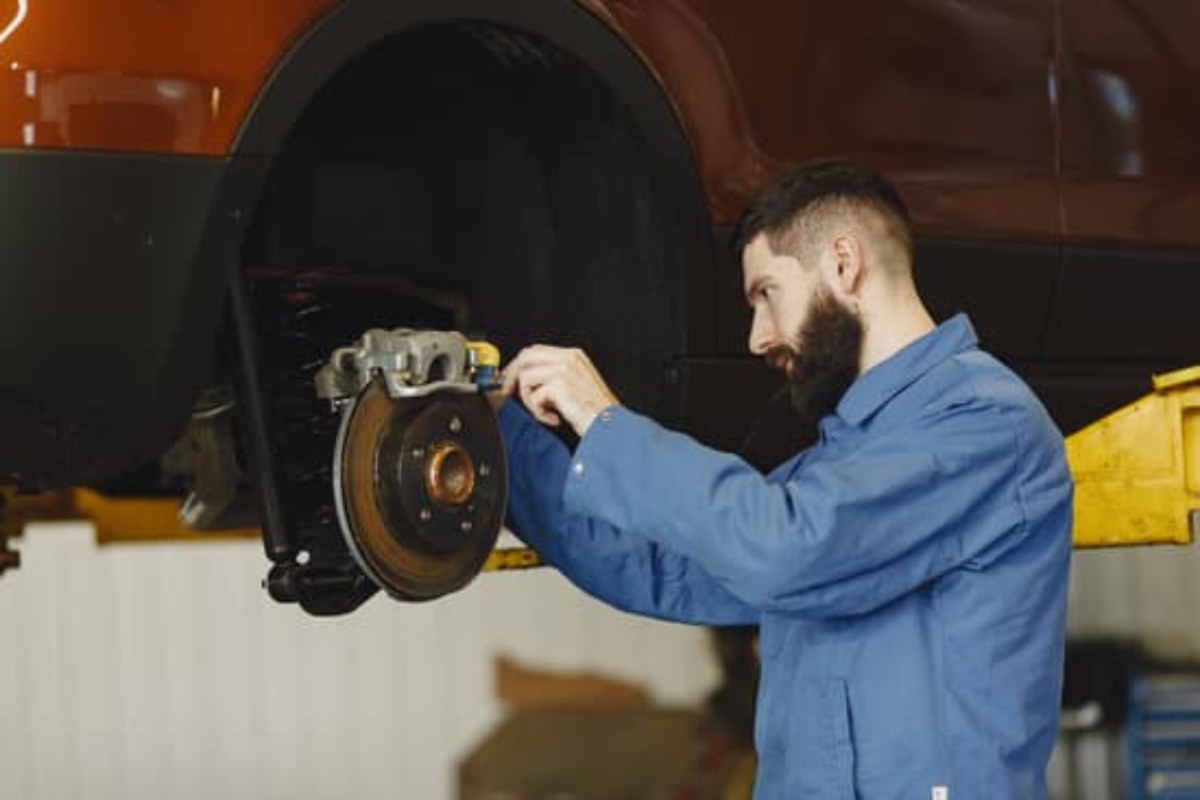
If your car’s brake pedal feels soft, the issue could be low or contaminated brake fluid. Because of this, the brake pedal feels soft, which is very dangerous.
If your car’s brake fluid is low, there may be a leak in the brake lines, which can cause many problems. Due to this issue, your car’s brakes do not work properly, and you are at risk of an accident. I have provided the solution below; read it.
Now I will tell you the tools that we will use to fix this.
- jack
- wheel wrench
- gloves and safety glasses
- new brake fluid
These are the tools that I have mentioned above, and by using them, we will fix this problem.
If your car’s brake pedal is soft, then the solution is as follows: First, park your car on one side. Then, wear gloves and glasses to protect yourself. After that, remove the jack from your car and lift it.
After lifting, use the wheel wrench to loosen the nuts of all four tires and remove them. Then, check your car’s brake fluid level. If it is not at the correct level, fill it with new fluid until it reaches the full level.
After that, take a hose, put one end in a bottle, and the other end in the brake fluid. Now ask someone to press your car’s brake pedal. In this way, the air will be removed, and the issue will be fixed.
If, after fixing this issue, your car’s brake pedal remains soft, I have listed 5 additional issues and their solutions below. Read them.
3. Excessively Worn Brake Pads Or Shoes
If your car’s brake pedal is still soft, the issue could be Excessively Worn Brake Pads or Shoes. Because of this, your car’s brake pedal becomes soft.
If your car’s brake pads are worn more than required, this problem can occur, and they cannot provide the proper friction to stop the car.
If they do not work properly, your car’s brake pedal does not function correctly, and your car cannot stop, which can lead to an accident.
Many drivers and car owners see this and become worried about what has happened, but I have explained the solution from my experience. Read it.
In this, I will tell you which tools are used to fix the issue and how we use them to solve the problem.
- Gloves and safety glasses
- lug wrench
- C-clamp and brake clipper tool
- Wrench set
- Screwdriver
- New pad
By using these tools, we will fix the issue.
If your car’s brake pedal sink is soft due to the brake pads, follow these steps: First, park your car, get out, and wear gloves and glasses to protect your face and hands.
After that, use the lug wrench to loosen the nuts of all tires and remove the wheels. When you have removed them, use the same wrench to loosen the caliper bolts and check the caliper.
If it is damaged, replace it with a new caliper. After that, use a C-clamp to press the piston and fit the new caliper so that it fits easily. After doing this, reinstall the wheels.
When the wheels are installed, lower the car from the jack. After lowering, take your car for a drive and check if the brake pedal is still soft.
If, after fixing this issue, the brake pedal remains soft, I have listed the issue and its solution below. Read it.
4. Master Cylinder Malfunction
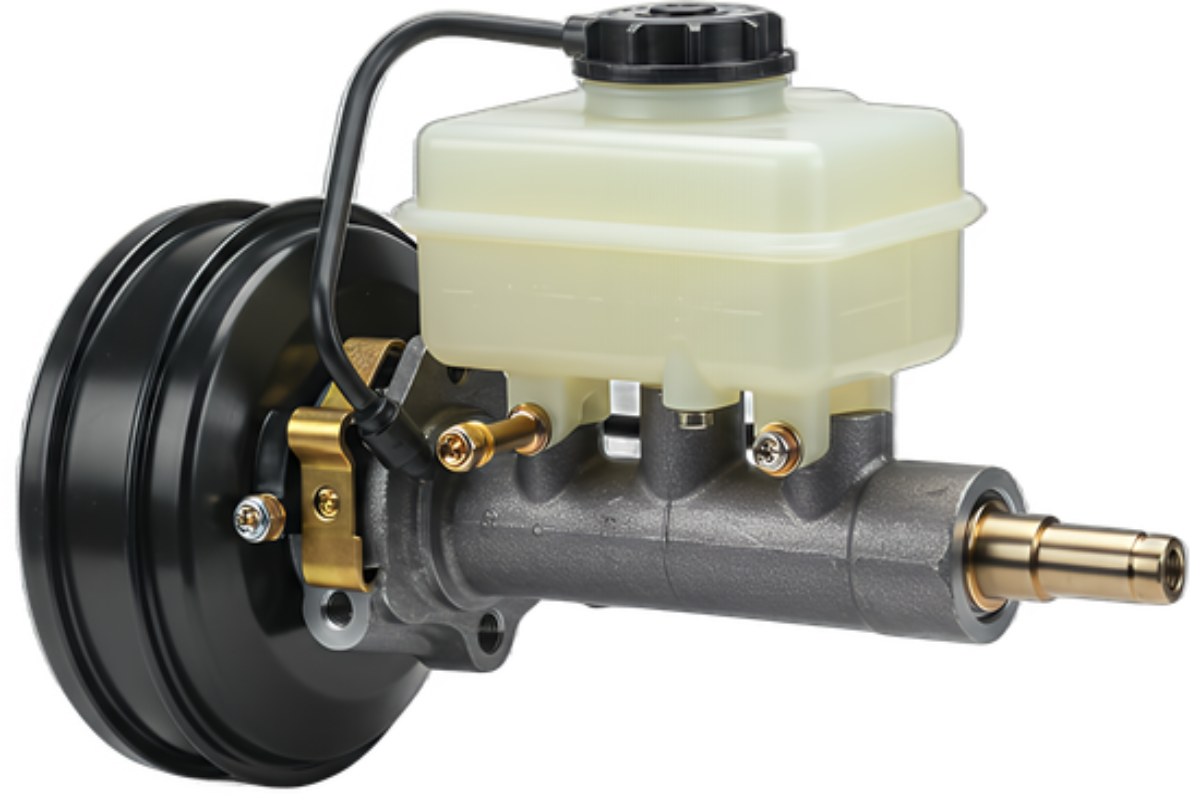
If your car’s brake pedal is soft due to a Master Cylinder Malfunction, this is an issue like the three I mentioned above.
If your car’s master cylinder is damaged, it is a serious problem because the master cylinder generates pressure to operate the brakes.
If it is damaged or leaks, the brakes do not work properly, and your car’s pedal can feel soft. If it is not fixed, then when you apply the brakes, they do not work, and you become worried.
The master cylinder can also leak brake fluid, which causes many problems. But I have given the correct solution below, so you do not need to worry. Just read it and fix the issue.
Now I will tell you which tools to use to fix this problem. They are given below.
- Gloves and glasses
- wrench set
- Brake fluid
- Bleeder ho and bottle
- Jack
- Wheel wrench
If your car’s brake pedal feels soft because of the master cylinder, then the solution is as follows: First, park your car on one side.
After that, wear gloves and glasses to protect yourself. Then use the jack to lift your car, as you cannot fix the issue without lifting it.
After that, use the lug wrench to remove your car’s wheels. After removing the wheels, open the hood and add brake fluid. After adding it, clean the surrounding area.
Then use a screwdriver to open and remove the master cylinder and check if it is fine. If it is damaged, replace it with a new cylinder. After doing this, use a hose and bottle with the bleeder to remove air.
After removing the air, lower the car with the jack. Then take the car for a drive and check if it is working properly.
If the issue is fixed but your car’s brake pedal is still soft, there is another issue, as I have mentioned below
5. Cracked or Flexible Brake Hoses
If your car’s brake pedal feels soft due to Cracked or Flexible Brake Hoses, this is also an issue like the ones I mentioned above.
If your car’s brake hose is damaged or very flexible, it can cause a serious problem with the brake pedal. The hose carries fluid from the master cylinder, and if it is damaged or broken, brake fluid can leak, causing significant concern.
When you apply the brakes, they do not work quickly, which can lead to an accident and put you at risk. If you do not fix this problem properly, it can cause many more issues.
You should fix it immediately. I have given the solution below so that you can fix it yourself and avoid any trouble.
Now I will tell you which tools to use to fix this problem and how to use them. I have given the details below.
- Gloves and glasses
- Wrench set
- line wrench
- Screwdriver set
- New brake hoses
- Brake fluid
- Bleeder hose and bottle
- Jack
- Wheel wrench
Now I will tell you how to use all these tools to fix the problem. If your car’s brake pedal is soft because of Cracked or Flexible Brake Hoses, then the solution is as follows: First, you need to park your car on one side.
After that, use the jack to lift your car. When it is lifted, use the lug wrench to remove the wheels. After removing the wheels, check your car’s brake fluid level.
If it is not at the correct level, fill it with fluid. Then, use the wrench and line wrench to remove the old hose and install the new hose in its place.
After installing it, use a screwdriver to tighten all the hoses until they are firm. After that, lower your car and take it for a drive to check if it is working properly.
If it is working properly, but your car’s brake pedal is still soft, I have listed 2 more issues that may be affecting your car’s brakes and how to fix them below. I have also explained it so that you can avoid all these problems.
6. Incorrect Booster Pin Gap
If your car’s brake pedal is soft, there may be issues, such as an Incorrect Booster Pin Gap. Because of this, your car’s brake pedal feels soft, because the booster pin connects the brake pedal to the master cylinder.
If the gap is too small or too large, your brake pedal feels soft. This is a very serious problem, and because of this, you can have an accident, and many other problems can occur.
Because of this issue, the brakes do not respond quickly when you apply them. If your car’s brakes do not work quickly, it can cause a lot of damage. I have provided the solution below, so you do not have to worry.
Now I will tell you which tools we use to fix this. I have listed them below and explained how to use these tools to solve the problem. You must check it.
- Gloves and glasses
- Wrench set
- Screwdriver
- Brake booster adjustment tool
- Flashlight
If your car’s brake pedal is soft because of an incorrect booster pin gap, then the solution is as follows: First, park your car on one side. After that, open the hood of your car.
When you open the hood, use a flashlight to inspect the booster and master cylinder areas. To check the gap between them, use a feeler gauge to confirm it is correct.
If it is too small or too large, your car’s brake pedal becomes soft. So if the gap is too large, fix it. After that, use a wrench to tighten the booster pin so the gap remains correct slowly.
After tightening, use the feeler gauge again to check the gap and ensure it has not become too small or too large. After this, close the hood again and take your car for a drive to check it.
If, after fixing this issue, your pedal still feels soft, there is another issue I mentioned below. Read it because it is the last issue, and I only want your benefit.
7. Component Failure
If your car’s brakes still feel soft, there is another issue at play: Component Failure. Because of this, your brake pedal feels soft.
This is a serious problem because if you do not fix it, it can cause further issues with your car. Many parts of your brake system work together, such as the caliper, wheel cylinder, seals, and valves.
If any of these parts is damaged or broken, the entire system is affected. If this issue happens, it can create more problems.
When you apply the brakes, they do not work properly, which could cause an accident. But do not worry, because I worked for 15 years in a car company in the United States.
I have provided the solution below based on my experience, so if you face this issue, you can fix it yourself. Make sure to read it.
Now I will tell you which tools are used to fix this, and below I have written how to use these tools to solve the problem. Make sure to read it because it is important for your work.
- Gloves and glasses
- lug wrench
- Wrench set
- Screwdriver set
- Brake cleaner
- Jack
- New brake components
- Brake fluid
- Bleeder hose and bottle
If your car’s brake pedal feels soft because of Component Failure, then the solution is as follows: First, park your car on one side. After that, use a jack to lift the car.
When it is lifted, use the lug wrench to remove the wheels. After removing the wheels, carefully check all the components. When you do this, see if any part is damaged.
If yes, replace it. After replacing, install the new parts in the same place where you removed the old parts, and tighten their bolts with a wrench. After that, check the brake fluid level.
If it is low, fill it to the correct level. Then, use a hose and bottle to remove air. In this way, your issue will be fixed. There is no other issue. I have told you 7 issues that can happen and their solutions. Next, I will give you safety tips so that you stay safe.
Quick Safety Tips Before Inspecting Brakes
Now I will tell you safety tips. By reading them, you can stay safe from all these issues.
- Always check your car’s fluid level.
- If any component is damaged, replace it immediately.
- Check the master cylinder daily.
- Always use gloves and glasses.
- Always drive the car slowly.
- Regularly check the car’s pads and rotors.
These are the safety tips. Now, below, I will tell you when you should have a mechanic check your car.
When to Tell a Mechanic
Above, I told you the safety tips. Now I will tell you when you should call a mechanic. If you have read my entire article, then you can fix any of these issues yourself.
But if you have not read my article, you should call a mechanic then, because you will not know what to do or how to do it. Below, I have listed the costs that may be required to fix these issues.
Cost to Fix Brake Issues
If you have read my article and followed the solutions there, the cost may be between $30 to $60. But if you have not read my article and go to a mechanic, then the cost may be between $120 to $130. If you want to avoid this high cost, read my article.
Prevention:
- Keep brake fluid at the proper level and return it if it is dirty.
- Check brake pipes and hoses for cracks or leaks.
- Replace worn brake cushions and shoes on time.
- Ensure the master cylinder and advocate work properly.
- Avoid overheating brakes during serious use.
- Get regular skilled brake inspections.
FAQs
Q1. Can Temperature Changes Affect Brake Performance?
Yes, temperature changes can affect brake performance. High heat can cause brake fade, while cold can make brake fluid thicker, both reducing braking efficiency.
Q2. Can ABS System Issues Cause a Soft Pedal?
Yes, ABS system issues can cause a soft brake pedal. Malfunctions in the ABS module or sensors may reduce hydraulic pressure, making the pedal feel spongy.
Q3. How Do Worn Or Misadjusted Brake Calipers Affect Pedal Feel?
Worn or misadjusted brake calipers can make the brake pedal feel soft or spongy. They reduce proper brake pressure and unevenly apply force, leading to a less responsive pedal.
Q4. Are There Any Signs Of internal Brake line leaks?
Yes, internal brake line leaks can cause a soft or sinking brake pedal. Other signs include a gradual loss of braking power, brake warning lights, or fluid stains near wheels or under the vehicle.
Conclusion:
A soft brake pedal is a prophecy that something in your braking system isn’t working properly, from low or contaminated fluid to worn components or air in the lines.
Diagnosing the exact cause, whether it’s the head cylinder, brake pads, hoses, or booster, is critical for safety. Once identified, replacing or adjusting the faulty parts restores proper brake pressure.
Regular checks and care can prevent most issues. Taking action early ensures a firm, responsive pedal and safer driving.