
If your steering wheel starts shaking when you are driving fast, it can feel scary. And honestly, it should get your attention. Sometimes it is a small issue like wheel balance. Sometimes it is a warning sign that a part is loose or worn out. The good news is that most high-speed steering vibrations have common causes, and you can narrow them down by paying attention to when they happen and how the car feels.
In this guide, I will walk you through the exact reasons this happens, what you can check at home, how a mechanic confirms the cause, and what fixes usually work best. I will keep it simple yet professional so you can actually use this information.
Quick Answer
Most steering wheel vibration at high speed is caused by front wheels or tires that are not balanced properly. When the tire and wheel do not spin evenly, the wobble becomes stronger as speed increases. Other common causes include tire damage or uneven wear, wheel alignment problems, a bent rim, warped brake rotors, or worn suspension and steering parts.
So yes, it can be something basic. But do not assume it is always basic. Let us narrow it down the smart way.
When The Vibration Happens Tells You The Cause
This is the part many people skip. But timing is everything. The speed range and the exact situation often point to the problem faster than guessing.
Vibration only At High Speed, Around 80 to 100km/h
If the steering wheel is calm at lower speeds, and then starts vibrating at a certain speed range, that is a classic sign of wheel and tire balance issues. The faster the wheel spins, the more the imbalance shows up. It often feels like a steady shake or wobble that comes in waves.
It can also happen if a tire has a flat spot, internal belt damage, or uneven tread wear. These problems may feel similar, but balance is still the first thing to check because it is common and easy to fix.
Vibration Gets Worse When Braking
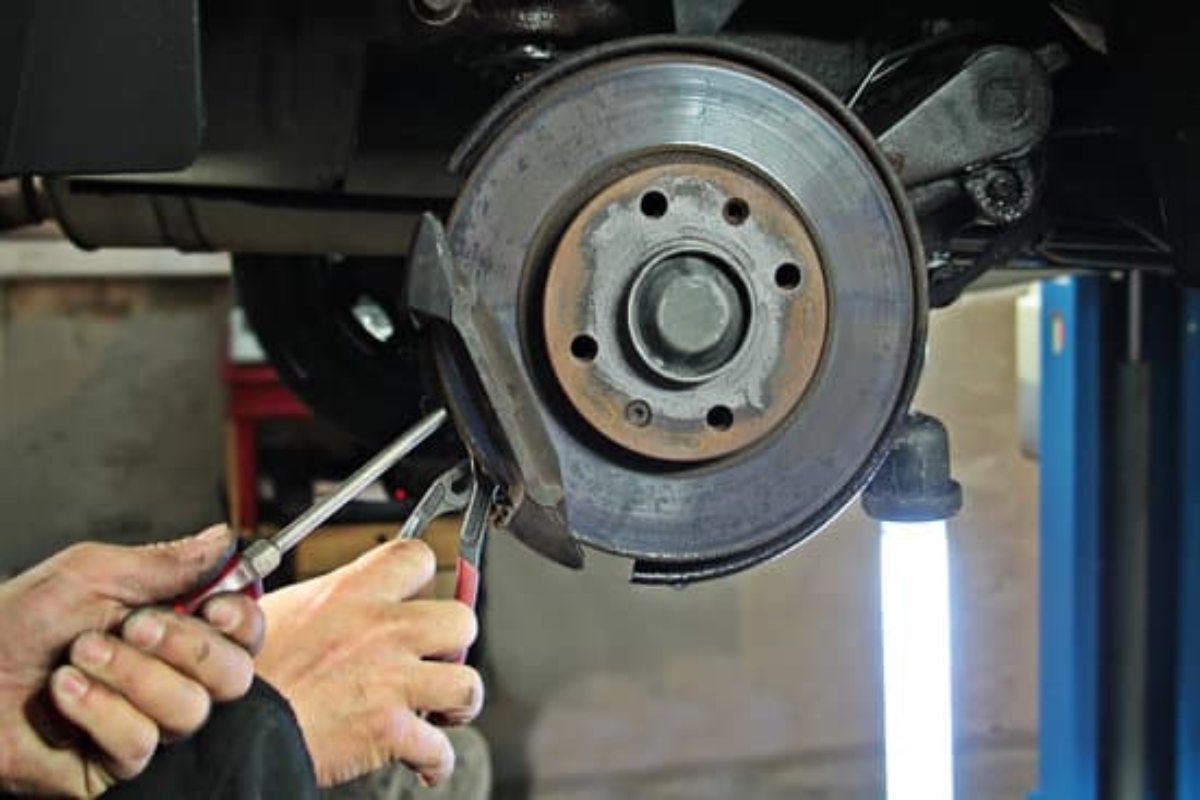
If the vibration becomes stronger, mainly when you apply the brakes, especially at higher speeds, brake rotors are a strong suspect. Rotors can develop uneven thickness or slight warping, and when the brake pads clamp onto them, the vibration travels into the steering wheel.
This does not always feel like a gentle shake. It can feel like pulsing, shuddering, or the steering wheel pushing back against your hands.
Vibration Comes And Goes At Certain Speeds
Some drivers say it shakes at 90, feels better at 110, and shakes again at 130. This pattern often points to wheel balance or tire issues. It can also happen when tires have uneven wear patterns or when a rim is slightly bent.
If the vibration changes based on road surface, it could also be a tire issue or a suspension part that is just loose enough to react differently on rough roads.
Is It Safe To Drive With A Vibrating Steering Wheel
This depends on the cause, but here is the professional advice. Do not ignore it.
A small vibration from the balance might not cause an immediate accident, but it will wear out your tires faster and can stress suspension parts over time. A vibration from worn steering or suspension parts can be dangerous because those parts affect control and stability. A vibration from brake problems can reduce stopping performance and increase braking distance.
If the steering wheel vibration suddenly becomes much worse, if the car pulls hard, if you hear clunking noises, or if the steering feels loose, avoid high-speed driving and get it checked as soon as possible.
Top Causes of Steering Wheel Vibration At High Speed
Now, let us get into the real causes in the order that usually makes the most sense.
1. Unbalanced Front Wheels And Tires
This is the number one reason most cars shake at high speed.
Every wheel and tire assembly has a tiny variation in weight. When it spins fast, that uneven weight makes the wheel wobble. Wheel balancing adds small weights to correct the uneven distribution so the wheel spins smoothly.
Common situations that cause imbalance include
- Tire replacement without proper balancing
- Lost wheel weights after hitting a pothole
- Mud stuck inside the rim
- Cheap or rushed balancing work
- Weights falling off due to bad adhesive or damage
What it feels like
A vibration that starts around a certain speed and becomes more noticeable as you go faster. Often, the steering wheel shakes, but the brake pedal feels normal unless you are also braking.
2. Tire Problems like Damage or Uneven Wear
A tire is not just rubber. It has belts and layers inside. If the tire is damaged internally, the outside can look fine while the tire is actually not rolling evenly.
Common tire problems that cause vibration
- Flat spots often occur after long parking
- Bulges from impact damage
- Uneven tread wear
- Cupping or scalloping
- A tire that is out of round
Uneven wear can come from poor alignment, bad shocks, worn suspension parts, or under-inflation. Once the wear pattern forms, the vibration can stay even if you fix the original cause.
What it feels like
Sometimes it feels similar to imbalance, but it can also feel more like a thump or a rough rolling feel. The vibration may change depending on the road and may not be perfectly steady.
3. Wheel Alignment Problems
Wheel alignment affects how your tires meet the road. When alignment is off, the tires can scrub or pull slightly, especially at speed. It can also create uneven wear that later turns into vibration.
Signs of alignment issues
- The car pulls to one side
- The steering wheel is not centered when driving straight
- Uneven tire wear on one edge
- The steering feels unstable at high speed
Alignment alone does not always cause a strong vibration, but it often creates tire wear that does.
4. Bent Rim or Damaged Wheel
A bent wheel is common if you hit a pothole hard or clip a curb. Even a small bend can cause a noticeable vibration at high speed.
A bent rim can also cause slow air leaks and uneven tire seating. Sometimes the tire bead does not sit evenly, which creates an out-of-round rolling condition.
What it feels like
A consistent vibration that often does not go away after balancing. Some shops balance the wheel, and it still shakes because the rim itself is not straight.
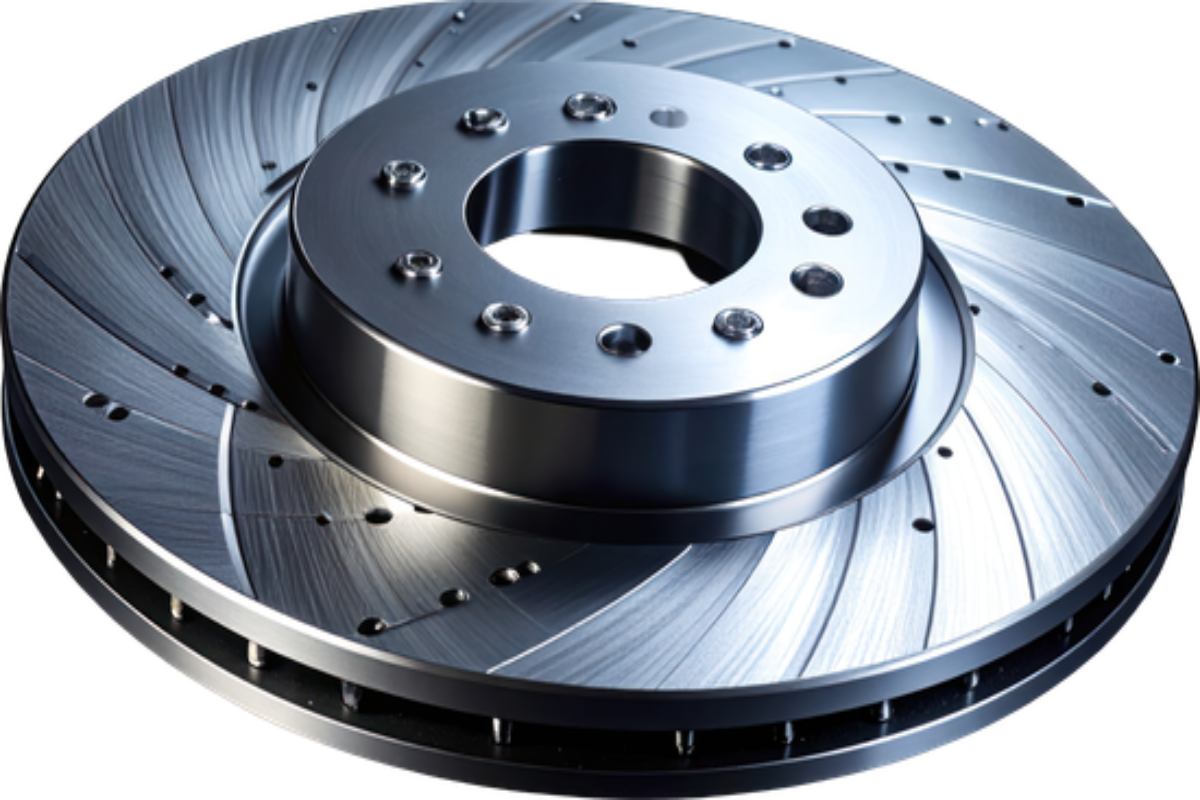
5. Warped Brake Rotors
Brake rotor issues usually show up during braking. But if the rotor is badly uneven, you might feel a vibration even without braking, though that is less common.
Common reasons rotors warp or become uneven
- Overheating from hard braking
- Worn brake pads are damaging the rotor surface
- Cheap rotors that cannot handle heat well
- Incorrect torque on wheel nuts
- Sticking brake caliper
What it feels like
When you brake from high speed, the steering wheel shakes, and the brake pedal may pulse. The faster you are going, the stronger it feels.
6. Worn Suspension or Steering Parts
This is where vibration can become a safety issue.
Your steering and suspension have parts that hold the wheel steady while still allowing movement. If those parts wear out, the wheel can shake more at speed.
Parts that commonly cause vibration when worn
- Tie rod ends
- Ball joints
- Control arm bushings
- Struts and shocks
- Sway bar links
- Steering rack mounts
If a bushing is torn or a joint is loose, the wheel can wobble under load, especially at highway speed. You may also notice clunks over bumps or a loose feeling in the steering.
7. Wheel Bearing Problems
Wheel bearings allow the wheel to rotate smoothly. When they wear out, they can cause vibration and noise.
Signs of wheel bearing issues
- Humming or growling that increases with speed
- Noise changes when you turn slightly left or right
- Vibration that feels deeper, not just in the steering wheel
- Sometimes heat near the wheel hub area
A bad bearing is not something to delay. It can get worse quickly in some cases.
8. Engine or Drivetrain Vibration That Travels Into The Steering
Not all vibration is wheel-related. Sometimes the engine or drivetrain creates vibration that you feel in the steering wheel, especially if the mounts are worn.
Common causes include
- Worn engine mounts
- Worn transmission mounts
- Misfire under load
- Bad CV joint or axle issues in Front Wheel Drive cars
This type of vibration might also be felt through the seats and floor, not just the steering wheel.
9. Road Conditions And Driving Habits
Road conditions can create temporary vibration. Rough roads, uneven surfaces, or grooved highways can make the steering feel shaky. But this should go away when the road changes.
If vibration happens only on a specific road, it may be the road surface. If it happens on all roads at the same speeds, it is likely your car.
Fast Home Checks Before You Visit a Shop
You do not need special tools to do some basic checks. These checks can save time and help you explain the issue clearly.
1. Check Tire Pressure
Low or uneven tire pressure can cause vibration and can also make existing issues feel worse. Check all four tires, not just the front.
2. Look For Uneven Tire Wear or Bulges
Run your hand across the tire tread. If it feels jagged or uneven, that is a sign of wear patterns. Look closely for bulges on the sidewall. A bulge means internal damage, and the tire should be replaced.
3. Check lug Nuts and Wheel Seating
If a wheel is not seated properly or lug nuts are loose, vibration can happen, and it can be dangerous. If you recently had tire work done, double-check that the lug nuts were tightened correctly.
4. Test Drive Notes To Write Down For The Mechanic
This is a simple trick that helps a lot. Write these down
- At what speed does the vibration starts
- Does it get worse when braking
- Does it change when turning slightly left or right
- Does it happen after a recent tire change?
- Does it feel in the steering wheel only or also in the seat
These details make diagnosis faster.
Simple Diagnosis Guide
Let us match the most common symptoms to likely causes.
1. Shake at One Speed Band Only
Most likely wheel balancing or a tire that is slightly out of round. Start with balance. If balance does not fix it, inspect tires and rims closely.
2. Shake Plus Pulling To One Side
This points to alignment, tire pressure differences, or a suspension issue. It can also be a tire problem if one tire is damaged or worn unevenly.
3. Shake Only When Braking
Brake rotors or brake-related issues are the first suspects. Rotors may need resurfacing or replacement depending on condition and thickness.
4. Shake After Fitting New Tires or New Wheels
This often comes down to balancing, wheel centering, or a rim issue. Sometimes, aftermarket wheels need hub-centric rings to seat properly. If the wheel is not perfectly centered, vibration happens even if the tire is balanced.
How a Mechanic Confirms The Real Cause
A good shop should not guess. They should test and measure.
1. Wheel balancing
They will spin each wheel on a balancing machine and add weights as needed. Some shops also do road force balancing, which can detect tire issues that normal balancing misses.
2. Alignment check
They measure toe, camber, and caster and adjust to factory specs. If alignment is far off, they should also inspect suspension parts because something might be worn or bent.
3. Brake rotor runout check
For braking vibration, a mechanic can measure rotor runout and thickness variation. This is more accurate than just looking at the rotor surface.
4. Suspension and steering play inspection
They will lift the car and check for movement in ball joints, tie rods, bearings, and bushings. They also check shocks and struts for leaks and weakness.
How to fix it in a cost-friendly order
If you want to fix this without wasting money, start with the most common and most affordable steps first.
1. Balance and rotate tires first
Balancing is usually the first step. Rotating also helps if wear patterns are mild and the tires can be moved to reduce steering vibration.
2. Alignment
If your tires show uneven wear or the car pulls, do an alignment next. Ask them to inspect the suspension before aligning if you suspect worn parts, because alignment will not hold if parts are loose.
3. Repair or replace a damaged tire
If a tire has a bulge, deep uneven wear, or internal damage, replace it. Balancing cannot fix a damaged tire.
4. Straighten or replace the bent rim
Some rims can be repaired depending on the material and severity. If the rim is cracked or badly bent, replacement is safer.
5. Resurface or replace brake rotors and pads if needed
If rotors are warped or uneven, resurfacing can help if the thickness is still within spec. Many modern cars do better with new rotors and pads together for the best results.
6. Replace worn suspension or steering parts
If tie rods, ball joints, bushings, or bearings are worn, replace them. After that, alignment is usually needed again.
How to prevent steering wheel vibration
Once you fix the problem, you can keep it from coming back with simple habits.
- Check tire pressure regularly
- Balance tires when you install new tires
- Rotate tires on schedule
- Avoid potholes and hard curb hits
- Do not ignore small vibrations early
- Get alignment checked if you notice pulling or uneven wear
- Fix worn suspension parts before they destroy your tires
Preventing vibration is usually cheaper than fixing it after it causes tire wear and suspension damage.
FAQ
Q1. Why does it only vibrate above 80 km/h?
Because imbalance and out-of-round issues become more noticeable as the wheels spin faster. At lower speed, you may not feel it, but at high speed, the wobble becomes strong enough to reach the steering wheel.
Q2. Why does it shake more when I brake?
This usually points to brake rotors that are uneven or warped, or brake parts that are sticking and causing uneven braking force.
Q3. Can new tires cause vibration?
Yes. If the tires were not balanced correctly, if a tire is defective, or if the wheel is not seated properly, vibration can start right after new tires.
Q4. Can rear tires cause steering wheel vibration?
Rear tire problems usually cause vibration in the seat and body more than the steering wheel, but they can still affect overall stability. If the vibration is mostly in the steering wheel, front tires, and the front suspension are the first focus.
Q5. Should I balance or align first?
If the main symptom is high-speed vibration with no pulling, balancing is usually first. If the car pulls, the steering wheel is off-center, or tire wear is uneven, alignment should be checked, too.
Conclusion
A vibrating steering wheel at high speed is usually caused by wheel balance or tire issues, but it can also come from alignment, rims, brakes, wheel bearings, or worn suspension parts. The smartest approach is to note when it happens, do a few quick checks at home, then fix it in a cost-friendly order, starting with balancing and tire inspection. If the vibration gets worse, happens during braking, or comes with loose steering, get it inspected quickly so the problem does not turn into a bigger repair.