
There are many types of concerns that a car owner experiences with the vehicle in a lifetime, and engine misfire causing vibration is one of them. The check engine light is a sign that shows something is malfunctioning in the engine. The engine light can show up on a minor fault in your engine bay as well as a serious issue. Today, we will learn more about what the flashing and shaking engine light could possibly mean and what your options are.
Blinking Check Engine Light And Car Shaking: Causes & Fixes
Different sensors in your car detect problems and send data to the computer system. When the engine misfires, it can cause the car to shake and trigger a dashboard warning. Continuous misfires, often caused by low fuel pressure, bad spark plugs, or ignition coil failure, indicate a serious issue. The car should be diagnosed and repaired immediately to prevent major engine damage.
Why A Cylinder Fails And How To Fix It
Now, a cylinder may fail to perform its function for several reasons. One common cause is worn spark plugs. Spark plugs are responsible for igniting the fuel-air mixture in the cylinder. If they are not replaced on time, the cylinder may misfire, causing engine shaking and triggering the engine misfire, causing vibration. Before you trade in a car with a check engine light, it’s important to inspect and fix such issues to maintain the car’s value and avoid problems during the trade-in process.
To fix this, have a qualified repairer inspect both the spark plugs and ignition coils. Replace any worn or damaged components immediately to restore proper cylinder function, prevent engine misfires, and stop the car from shaking.
Why A Check Engine Light Blinks And The Car Shakes: Common Causes Explained
The Check Engine Light flashes to alert the owner of an issue with the engine or its components. If the vehicle shakes along with the light, it may indicate other underlying engine problems.
Here are the most common reasons why a Check Engine Light blinks and the car shakes.
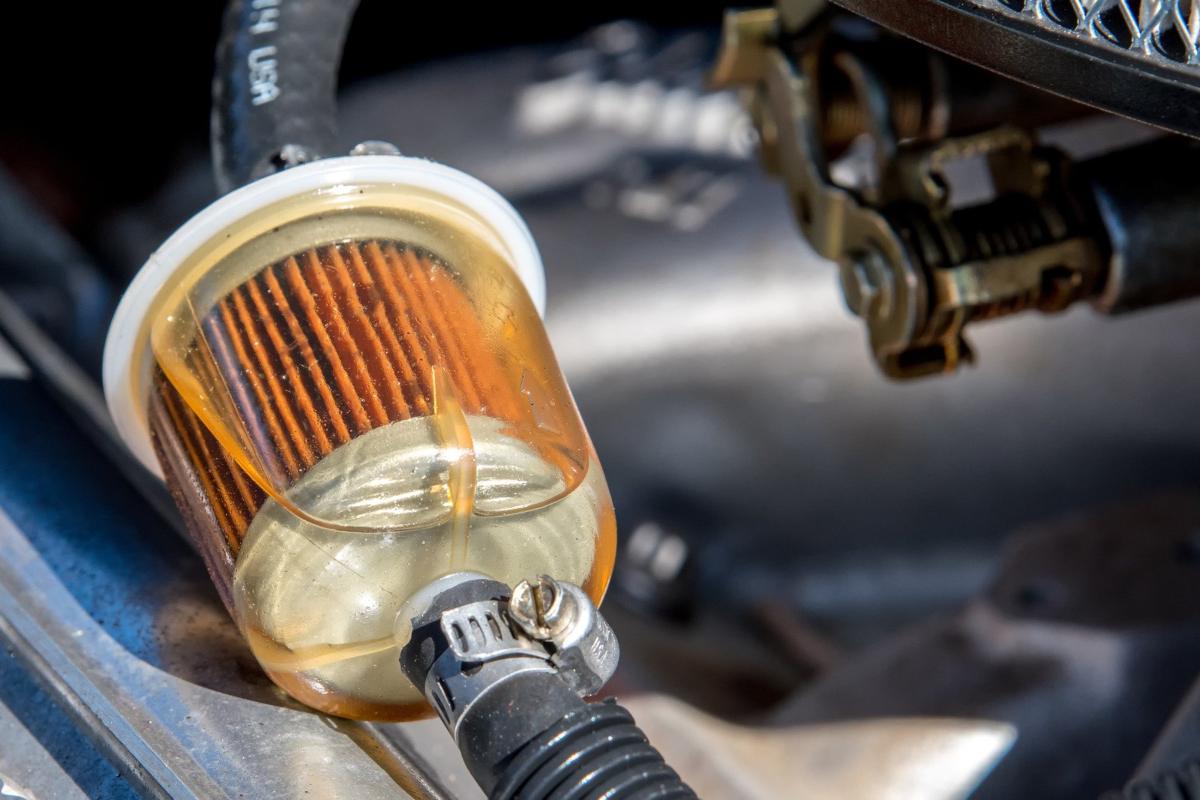
1. Clogged Fuel Filter
A clogged fuel filter restricts the flow of fuel from the fuel tank to the engine. When insufficient fuel reaches the engine, the air-fuel mixture becomes unbalanced. This can cause engine misfires, loss of power, engine shaking, difficulty in starting the car, and poor fuel efficiency. If the problem continues, it may lead to serious engine damage.
Always use good-quality fuel from a reliable fuel station to prevent dirt from entering the fuel system. If the car shows low power, jerking, or engine shaking, the fuel filter should be checked. Regular servicing and inspection help keep the engine running smoothly and prevent further problems.
2. Faulty Ignition Coil
A faulty ignition coil can stop spark plugs from igniting the fuel-air mixture, causing misfires, rough idling, power loss, engine shaking, and hard starting. If ignored, it may lead to poor fuel efficiency, engine damage, and overheating when the AC is on.
Make sure the car is serviced regularly to catch ignition system problems early. If the engine shows rough running, misfiring, or shaking, the ignition coil should be checked. Timely inspection helps keep the engine smooth and prevents further damage.
3. Bad Spark Plug
A bad spark plug can fail to ignite the fuel-air mixture properly in the engine. This leads to engine misfires, rough idling, loss of power, engine shaking, and difficulty in starting the car. Ignoring it can also cause poor fuel efficiency and potential engine damage.
Check the spark plugs during regular servicing to ensure they are working well. If the engine shows misfiring, rough running, or shaking, the spark plugs should be inspected. Keeping them in good condition helps the engine run smoothly and prevents further problems.
4. Engine Misfire
An engine misfire is one of the numerous common reasons why the engine light is blinking, and the car is shaking. This ensues when one or more cylinders fail to fire properly, causing wild idling, poor acceleration, and unusual vibrations.
Recognizing engine misfire symptoms early can preclude costly restorations and keep your car operating smoothly in the USA.
First, identify the misfiring cylinder using an OBD2 scanner or by listening for rough idling. Then, pull the old spark plug carefully, inspect it, and install a new one with the correct gap.
If the problem continues, check and return the ignition coil. Finally, start the engine to see if the shaking stops and the assessment motor light turns off.
5. Fuel Delivery Issues
Fuel delivery problems are a common motivation for the engine light to blink, and the car is shaking. If the power pump, fuel filter, or injectors aren’t working properly, your machine may fail, run roughly, or hesitate during acceleration.
Recognizing car misfire causes coupled with fuel delivery early can control serious engine damage and keep your car maneuvering smoothly.
First, notice if your car hesitates or vibrates while idling or accelerating to confirm a fuel delivery problem. Following, turn off the engine and review the fuel filter for clogs or dirt, then return it if needed.
Check the fuel pump to confirm it’s operating correctly, and clean the fuel injectors using a safe injector cleaner. Reassemble everything carefully, making sure all links are secure. Eventually, start your engine and see if the shaking stops and the inspection engine light turns off.

6. Vacuum Leaks Or Sensor Problems
If your engine light is blinking and your auto is stalling, emptiness leaks or faulty sensors could be the cause. Leaks in vacuum hoses or malfunctioning detectors like the MAF or oxygen detector can disrupt the air-fuel mixture, causing rough idling, misfires, and poor acceleration.
Witnessing these sensor and void issues early helps prevent bigger engine problems and keeps your car running smoothly in the USA.
Start by noticing if your engine shakes, idles roughly, or shows unusual behaviour, which hints at a vacuum or detector issue. Next, inspect vacuum hoses for cracks, leaks, or open associations, and remember any faulty detectors like the MAF or oxygen sensor.
Carefully replace or clean the damaged hoses and sensors, ensuring all connections are secure. Once everything is fixed, start the machine and check if the shaky holidays and the check engine light turn off.
7. Clogged Or Failing Catalytic Converter
If your engine light is flashing and your car is shaking, a clogged or failing catalytic converter could be the culprit. A clogged converter restricts exhaust flow, causing poor motor performance, rough idling, and misfires.
Recognizing catalytic converter problems early can prevent serious engine damage and keep your car running safely in the USA.
First, notice if your car shakes, loses control, or has a strong exhaust smell, which may show a clogged catalytic converter. Then, safely inspect the exhaust system for blockages or damage.
If you confirm a problem, replace the faulty catalytic converter with a new one, making sure all connections and hangers are secure. After installation, start the engine and check if the vibration stops and the check engine light turns off.
8. Dirty Or Faulty Mass Air Flow (MAF) Detector
If your engine light is blinking and your car is vibrating, a dirty or faulty MAF sensor could be the reason. This sensor calculates the amount of air entering the engine, and if it malfunctions, it can cause rough idling, misfires, and poor acceleration.
Catching MAF detector problems early helps maintain smooth engine performance and prevents bigger repairs in the USA.
Start by observing if your car shakes, idles around, or struggles during acceleration. These are signs of a dirty or faulty MAF detector. Next, carefully inspect the MAF detector in the intake design to see if it’s messy or damaged.
If it’s just dirty, clean it with a technical MAF cleaner; if damaged, replace it with a new detector. Reinstall everything securely, then start the engine and check if the shaking is gone and the check engine light turns off.
9. Worn Engine Mounts
If your engine light is flashing and your car is shaking, worn or damaged engine mounts could be the reason. These mounts hold the engine in place, and when they wear out, vibrations and shaking are transferred to the cabin, particularly during acceleration or braking.
Recognizing engine mount issues early can prevent further damage to your engine and enhance driving comfort in the USA.
Shaking or beats during acceleration or braking often indicate worn engine mounts. Inspect the support carefully for cracks, wear, or damage, paying attention to areas where the engine is connected to the frame.
Replace any faulty mount with a correctly aligned new one, tightening all bolts securely. After building, start the engine and take a short drive to ensure the vibrations are gone, and the check engine light stays off.
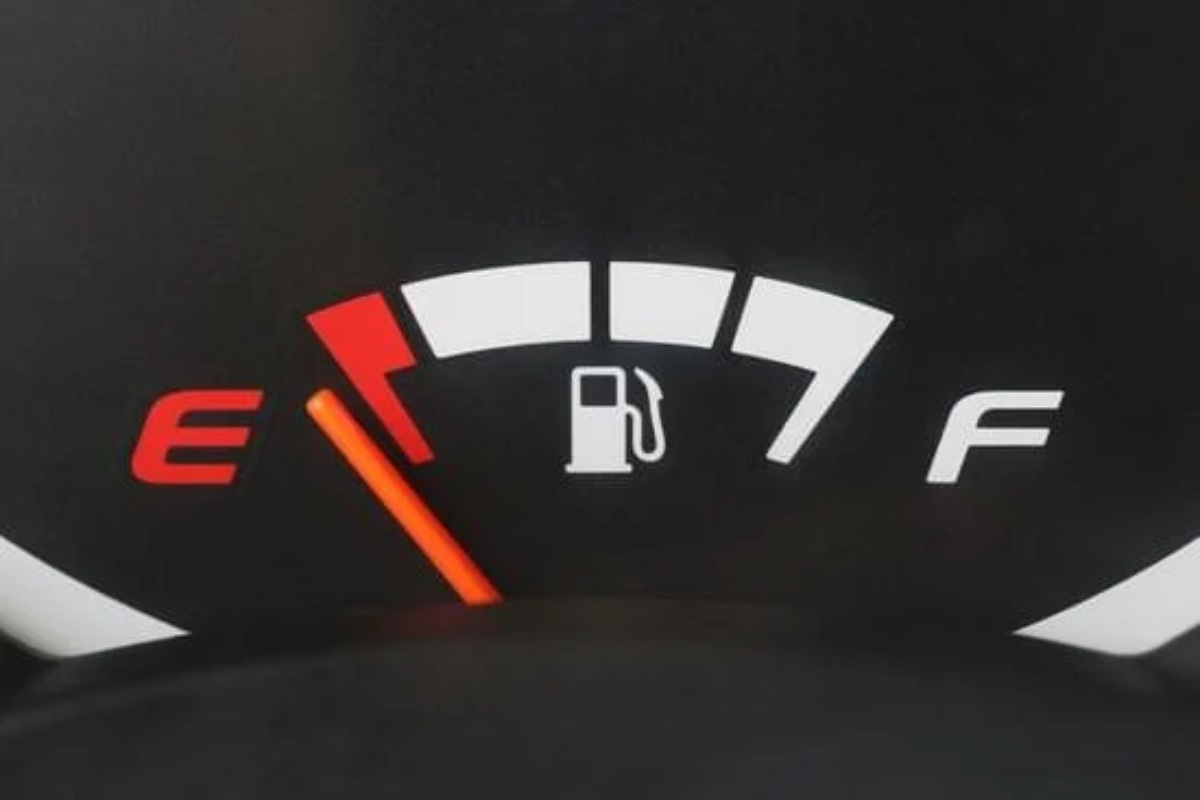
10. Low Fuel Pressure
If your engine light is flashing and your car is shaking, low fuel pressure could be the reason. Insufficient fuel reaching the engine can cause misfires, rough idling, inadequate acceleration, and engine hesitation.
Detecting low-fuel-pressure problems early helps prevent engine deterioration and ensures your car drives smoothly and safely in the USA.
Notice if your car struggles during acceleration or feels uneven while driving, as this can indicate low fuel pressure. Open the fuel strategy and inspect the fuel filter, fuel pump, and fuel lines for clogs, leaks, or wear.
Carefully replace any defective parts, ensuring all fittings and connections are secure. After reassembling, start the engine and take a short test drive to ensure smooth performance and that the check engine light remains off.
11. Exhaust System Blockage
If your engine light is blinking and your car is shaking, an exhaust system blockage could be causing the issue. A clogged exhaust, damaged pipes, or a failing catalytic converter can restrict airflow, leading to rough idling, misfires, and poor engine performance.
Identifying exhaust system problems early helps prevent serious engine damage and keeps your car running efficiently in the USA.
Notice if the engine struggles to rev, makes unusual noises, or produces a strong exhaust smell, which can indicate a blockage. Check the exhaust system carefully, including pipes, muffler, and catalytic converter, for dents, debris, or restricted airflow.
Once any issue is determined, address the damaged or clogged areas following safe repair practices, providing all connections are tight. Finally, start the car and drive gently to demonstrate that the engine runs smoothly and the check engine light stays off.
Prevention
- Regular Maintenance: Check spark plugs, ignition coils, and fuel filters.
- Use Quality Fuel: Always use good fuel from a reliable source.
- Timely Inspections: Check the engine periodically for issues.
- Monitor Performance: Watch for shaking, misfires, or power loss.
Video Guide:
Is your engine light blinking and your car shaking? This video explains the possible causes and risks.Watch now to learn how to diagnose the problem and take quick action to protect your car.
Frequently Asked Questions
1. What Causes A Car To Vibrate While Driving?
A car can vibrate while driving due to engine misfires, unbalanced or worn tires, or drivetrain issues. Fixing faulty components and performing regular maintenance usually eliminates the vibrations.
2. How Can Engine Misfires Affect Vehicle Performance?
Engine misfires cause the engine to run unevenly, leading to rough idling and reduced power. They can lower fuel efficiency and increase emissions. If not fixed, misfires may damage the catalytic converter and other engine components.
3. What Steps Can Be Taken To Prevent Engine Damage From Misfires?
Regularly maintain your engine by inspecting and replacing spark plugs, ignition coils, and fuel system components. Address any misfires promptly to prevent further engine damage.
4. How Can Fuel System Issues lead To Engine Shaking?
Fuel system issues, such as clogged fuel injectors, a dirty fuel filter, or low fuel pressure, can prevent the engine from getting the proper air-fuel mixture. This causes cylinders to misfire, leading to engine shaking. Fixing or replacing the faulty components restores smooth engine operation.
Conclusion
A blinking engine light and a shaking car are clear signs that your vehicle is experiencing engine misfires or related issues. Common causes include faulty spark plugs, damaged ignition coils, fuel system problems, or malfunctioning cylinders. Timely inspection, regular maintenance, and repairing or replacing the faulty components are essential to prevent further engine damage, ensure safe driving, and extend the lifespan of your car. By staying attentive to warning signs and addressing problems promptly, you can keep your vehicle running smoothly and reliably.