
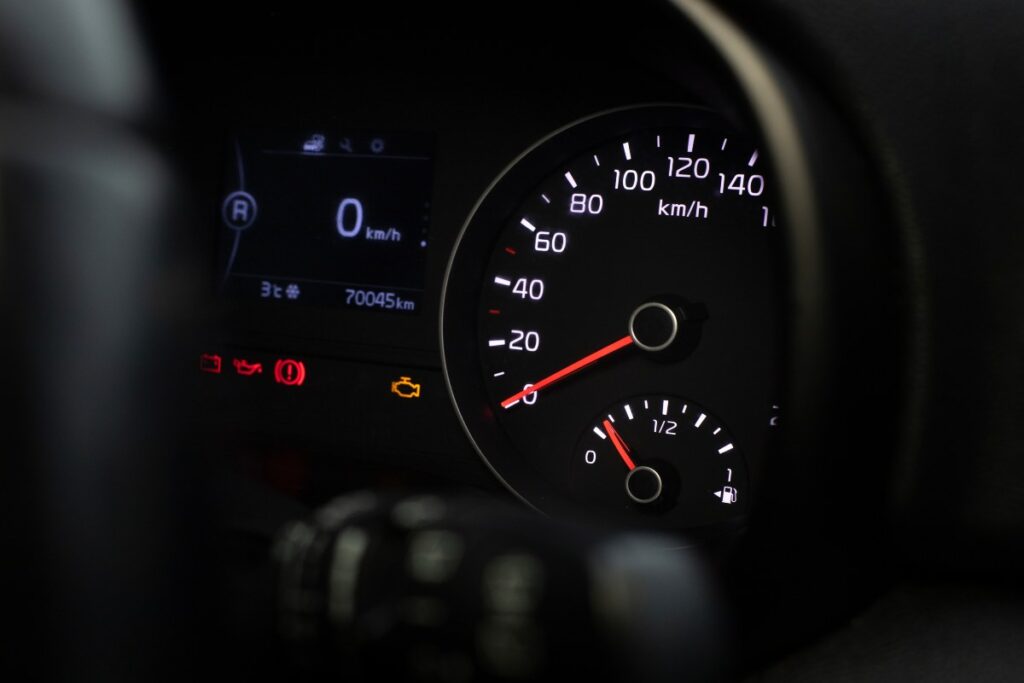
Car owners often check their gauges to keep everything working properly, and understanding engine temperature behavior is an important part of maintenance. Knowing if engine temperature fluctuations are normal helps drivers spot issues early and keep the car running smoothly. Speed, weather, or engine load can cause slight temperature changes, but sudden spikes, drops, or constant overheating can signal a cooling system issue. Since every car has a different cooling design, keeping an eye on the gauge helps protect the engine and ensure safe performance.
Understanding whether engine temperature fluctuations are normal helps you avoid unexpected issues and keep your car running smoothly. Slight movement on the temperature gauge is common, but noticing unusual spikes or drops early can prevent costly repairs. Regular checks and proper maintenance ensure the cooling system works efficiently and keeps the engine protected.
Is It Normal for Engine Temperature to Fluctuate?
Mild engine temperature fluctuations are usually normal. The cooling system and thermostat work to keep the engine at the right temperature. Slight changes can happen due to speed load or weather. However, rapid spikes or drops may indicate a problem that needs attention.
Most Common Reasons Engine Temperature Fluctuates
Engine temperature can fluctuate for several common reasons. This article explains them so you can understand and prevent issues.
Low Coolant Level
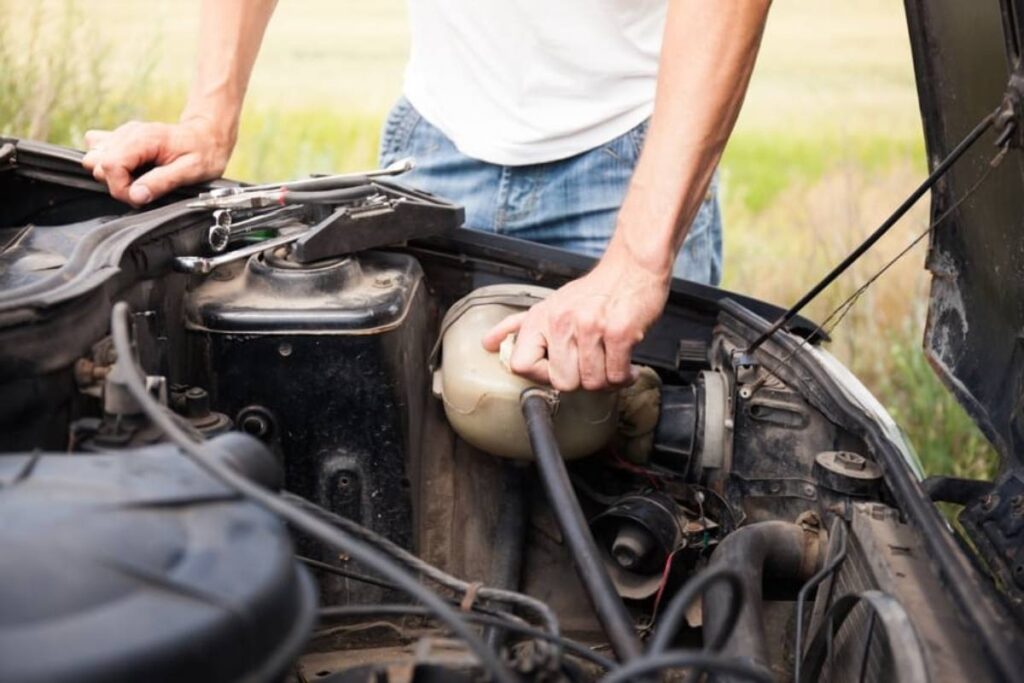
Low coolant can cause the engine temperature to fluctuate and may lead to overheating. It affects the stability of the cooling system.
Faulty Thermostat
A faulty thermostat can make engine temperature rise and fall unpredictably. It fails to regulate coolant flow properly. This can cause the engine to overheat or run too cool. Replacing the thermostat restores stable temperature control.
Failing Water Pump
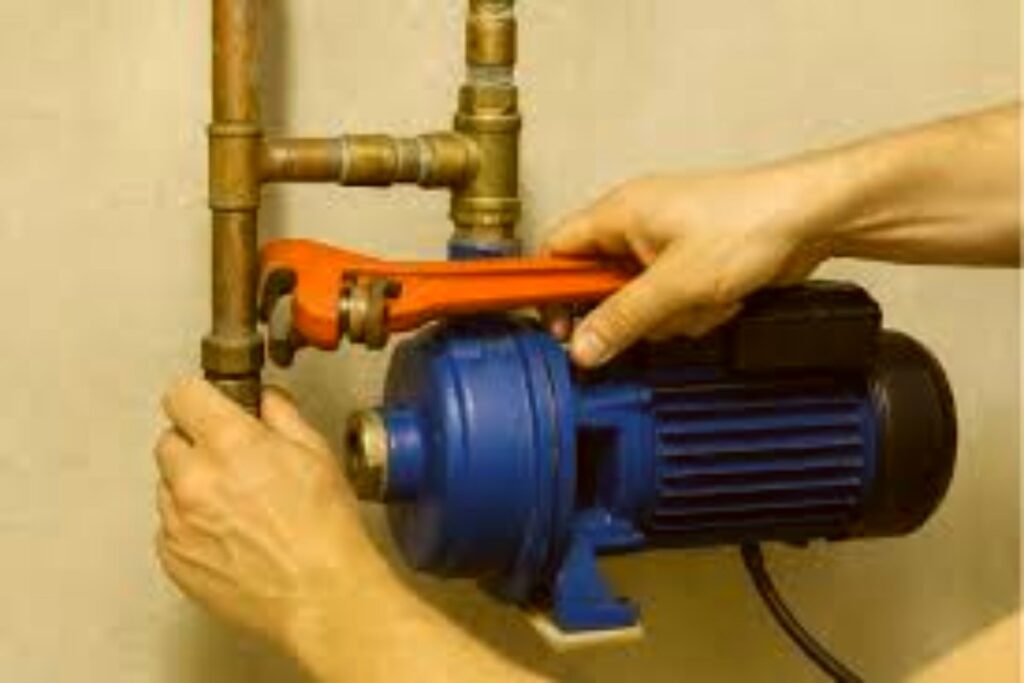
A failing water pump can cause poor coolant circulation, leading to engine temperature fluctuations. When coolant doesn’t flow properly, the engine may overheat. This can damage engine components if not fixed.
Engine Overload / Heavy Traffic
Driving in heavy traffic or under engine overload can cause temporary temperature spikes. The engine works harder, which raises heat levels briefly. These spikes are usually normal but should be monitored. Taking breaks and keeping an eye on the gauge helps manage engine temperature safely.
Air Trapped in Cooling System
Air trapped in the cooling system creates pockets that prevent proper coolant flow. This can cause the engine to overheat or fluctuate in temperature. Bleeding the system removes the air and restores normal cooling.
Clogged Radiator
A radiator helps keep the engine cool by circulating coolant. Blockages can cause uneven engine temperatures and overheating. Cleaning or flushing the radiator restores proper coolant flow and temperature stability.
Faulty Temperature Sensor
The temperature sensor monitors engine heat and sends readings to the gauge. If the sensor is faulty, it can give incorrect temperature information. A quick test can identify if the sensor is working properly. Replacing a bad sensor ensures accurate temperature readings and helps protect the engine.
How to Fix Engine Temperature Problems
Engine temperature can be easily managed in several ways.
Fixing Low Coolant Level
Fix the low coolant, top it off to the recommended level. Check for leaks in hoses, the radiator, and connections. Monitor coolant levels regularly to prevent future problems.
Replacing a Faulty Thermostat
The thermostat is faulty; replace it with a new one. Make sure it is installed correctly to restore proper coolant flow. This helps maintain a stable engine temperature. Regular checks can prevent future thermostat-related issues.
Repairing a Failing Water Pump
Inspect the water pump for leaks or unusual noises. Poor coolant circulation can cause engine temperature issues. If the pump is failing, replace it promptly. This helps keep the engine cool and running safely.
Managing Temperature During Engine Overload
Reduce engine load whenever possible to prevent overheating. Use lower gears during steep climbs or in heavy traffic. Keep an eye on the temperature gauge for spikes. Allow the engine to cool if it rises excessively.
Removing Air from the Cooling System
During a Car Inspection, bleed the cooling system following the manufacturer’s instructions. Make sure all air pockets are completely removed. Air in the system can cause uneven engine temperature. Proper coolant flow helps prevent overheating. Regular checks ensure the cooling system works efficiently.
Cleaning or Flushing a Clogged Radiator
Clean or flush the radiator according to the service schedule. Remove any debris blocking coolant flow. This ensures the engine stays cool and runs efficiently.
Replacing a Faulty Temperature Sensor
Test the temperature sensor with a multimeter to check its accuracy. Compare the readings to the normal operating range. If the sensor gives incorrect readings, it needs to be replaced. Proper installation ensures accurate engine temperature monitoring. This helps prevent overheating and keeps the engine running safely.
How to Reset or Stabilize Engine Temperature
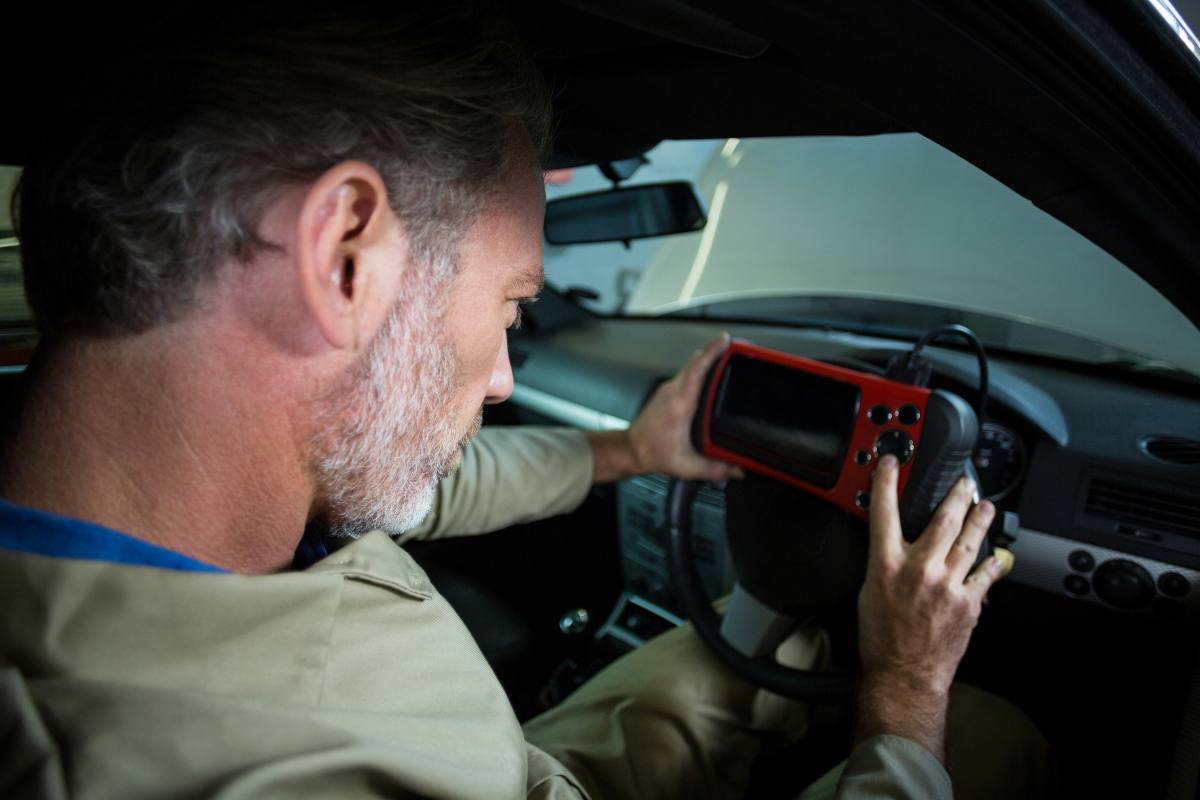
After fixing issues, check the engine step by step to ensure proper function. Monitor the temperature for a while to see if it stabilizes. The engine temperature should gradually return to normal. Recheck with a diagnostic tool if unusual readings continue.
Prevention:
Regularly check and top off the coolant to keep levels correct. Inspect the thermostat and water pump periodically for proper function. Flush the radiator and coolant system according to the schedule. Check hoses and clamps for any leaks or damage. Monitor engine temperature during heavy loads to prevent overheating.
Why does my car’s temperature gauge move up and down while driving?
It’s normal for the temperature gauge to move slightly while driving. Changes in speed, engine load, and outside temperature can cause minor fluctuations as the cooling system adjusts to keep the engine at the optimal temperature.
Is it okay if the engine warms up and cools down frequently?
Yes, slight warming and cooling of the engine is usually normal. It happens as the engine adapts to changes in speed, load, and driving conditions, but large or sudden changes may indicate a problem that needs attention.
What can cause sudden spikes in engine heat readings?
Sudden spikes in engine heat readings can be caused by low coolant levels, a faulty thermostat, a failing water pump, a clogged radiator, or heavy engine load. These issues reduce the cooling system’s efficiency and can lead to overheating if not addressed.
How can I tell if my cooling system is working properly?
Check if the engine maintains a stable temperature while driving. Inspect coolant levels, hoses, the radiator, and ensure the thermostat and water pump are functioning properly.
When should I worry about the engine running hotter than usual?
You should worry if the temperature gauge rises rapidly, stays in the high range, or the engine shows signs of overheating. Persistent high temperatures may indicate issues with the coolant, the thermostat, or other parts of the cooling system.
Conclusion
Mild engine temperature fluctuations are usually normal and not a cause for concern. Most causes of temperature changes are simple and easy to fix. Regular monitoring and maintenance help keep the engine running smoothly. Preventive steps can avoid sudden spikes or overheating. Good maintenance ensures the vehicle stays efficient and safe.
Also Read :
- Can a Bad Power Steering Pump Cause the Engine to Stall? Easy Guide for Car Owners
- Why Is My Heated Steering Wheel Not Working? Reasons & Fixes You Can Try Today
- Why Is the Steering Wheel Hard to Turn at Low Speeds? (7 Causes & Easy Fixes)
- Can I put power steering fluid in a hot car? Full Guide
- How to Unlock a Car Steering Wheel When the Car Is Off – Easy Step-by-Step Guide