
Symptom Owners of cars can easily feel that the steering wheel cannot be turned easily when they are moving at low speeds or even during the park-up. The knowledge about the working mechanism of the power steering system can also aid in determining the nature of the cause of this problem. The steering can also be unusual by being unexpectedly heavy due to things like low power steering fluid, damaged steering parts, or low hydraulic pressure. Rather, the disregard of warning signs may add additional pressure to the steering system, which will cost more to address. The timely solution to the problem will enhance better control of vehicles, avoiding further mechanical harm to them, as well as safe and comfortable driving.
Steering Wheel Stiffness at Low speeds to Why, this simplify the explanation of situations that cause unexpected handling challenges among the drivers? Steering resistance at low speed is normative and is normally associated with problems in power steering assistance. Minor difficulties or prolonged strains when turning can be seen while parking or driving slowly. Through early intervention of steering resistance, efficiency increases in control of the vehicle, preventing wear and tear in the various parts of the car, and maintaining the safety, reliability, and ease of driving.
How the Power Steering System Works to move the wheel
The power steering system helps the steering effortlessly with fluid pressure or through an electric motor. It is harder at low speed such as when a car is in a parking lot, thus in case of a system failure or a reduction of pressure, the wheel would become rigid. This is relevant to understanding issues in the process of car inspections.
Common Reasons and fixes for the Steering Wheel Becoming Hard to turn
There are various usual causes of difficulty in turning the steering wheel, such as low fluid, deteriorating parts, or broken power steering parts. The majority of such problems are not tough to diagnose and solve by means of simple maintenance or small repairs.
1. Low Power Steering Fluid
Low power steering fluid may result in the steering wheel being difficult to maneuver, particularly at low speeds. It can result in whining sounds, jittery steering, and can also show leakage in the system. Otherwise, it has the potential of damaging the power steering pump.
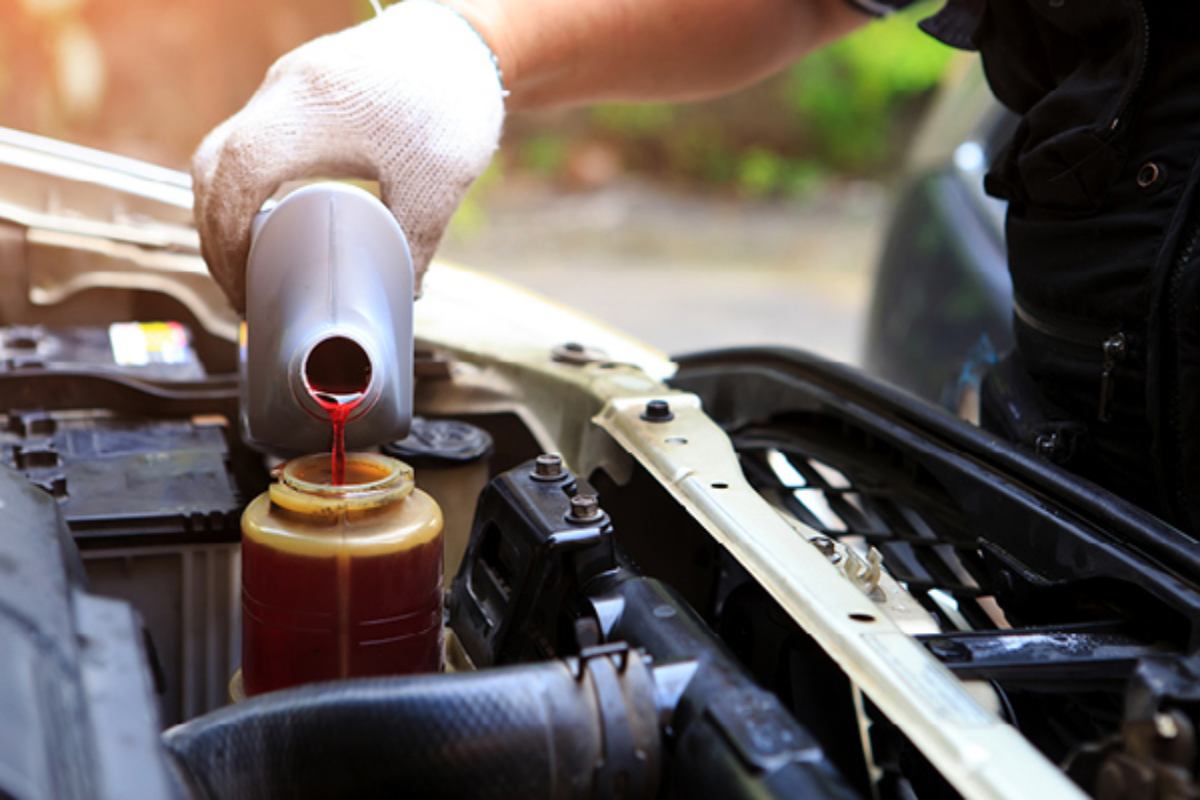
Check the level of power steering fluid and add as necessary with the appropriate type as suggested by the manufacturer. Check hoses and seals to inspect leakages and change old fluid or contaminated fluid to have an easy and smooth steering.
2. Old or Dirty Steering Fluid
Steering fluid can, over time, become thick and polluted, thus causing more friction within the system. The result of this is, in most cases, steering stiffness at slow speed, hence complicating the act of turning the wheel during parking or doing manoeuvres at a low speed.
Very old or greasy steering fluid may make it hard, bangy or difficult to steer. The solution to this is to drain the old fluid and fill it up with fresh and clean fluid for the power steering, as suggested by the car manufacturers. It is always necessary to make sure that the fluid is changed and checked regularly to maintain the smooth flow of the system.
3. Failing Power Steering Pump
The steering system is assisted by the power steering pump, which produces the necessary pressure. In case the pump is old or collapsing, it fails to give sufficient force to turn the steering wheel, and this may be difficult at low speeds. Whining or strange sounds can also be observed as you turn.
Get the power steering pump of the car checked by a certified mechanic, as the car is shaking while turning or during low-speed driving. In the event of a defect in the pump, it is normally necessary to replace it. The check of the level of fluids and the state of the pump addresses this issue and allows getting the smooth, steady steering again.
4. Worn or Loose Drive Belt
Drive belt The steering pump uses power in hydraulic steering systems. Whenever the belt is loose or slipping at the time it is being worn, pressure on the pump reduces immediately, making the steering responsive. This usually makes the car’s steering of the car heavy, particularly when making low-speed turns or parking.
A worn or loose drive belt may cause steering difficulty and squeaking. In order to overcome the situation, examine the belt to see whether it contains cracks or is loose and tighten or replace it when necessary. The belt should be checked regularly to make sure that the operation of the power steering is without any complications.
5. Electric Power Steering Motor Issues
There are electric steering systems which assist in rotating wheels with the aid of sensors and motors. In case it fails, steering assistance reduces when there is low speed; hence, control will be difficult. Road signs can be encountered. Similarly, as it is dangerous to inject the wrong car oil in a lawnmower, it is also dangerous to inject the wrong components or fluids into the steering system to make it stiff.
The issues arising with electricity over the steering of the wheels: there are problems which result in the heavy wheel or a problematic one turning. Checking the car battery, changing any blown fuses, and checking the wiring to the motor that should be clean and free is possible. The following measures can be used to resolve the problem single-handedly.

6. Steering Rack or Suspension Problems
The steering rack controls the movement of the wheels. The steering resistance is added when such parts of the car as the rack, tie rods, or suspension parts are worn. By not considering these concerns at any given period of time, the steering will be made harder and harder to manage.
Problems with the steering rack or suspension. 16 problems with steering may cause loose or stiff steering, or uneven steering. There is a possibility of checking visible damage, loose bolts, or worn bushings and tightening or replacing the obviously damaged parts. Another way that can be used to enhance steering is to stop joints by having them lubricated regularly.
7. Environmental and Driving Conditions
Cold weather is also known to increase the thickness of steering fluid, and hence, the wheel is difficult to turn. Counts of hours in the park will cause elements of components to stiffen, whereas hasty driving will cause wear in steering components. All these aspects lead to the steering stiffness at low speeds.
These problems can be avoided through regular maintenance. Change the steering fluid when necessary, continue pressing the vehicle not isometrically, and check both the components of the steering mechanisms. Similar to knowing how to clean a car engine bay any effort to clean the steering system will guarantee a good and unproblematic running of the engine system.
How to Check why wheels are hard to move at Home
The steering becomes stiff, or the wheels are hard to move. The first thing to do is to check the engine oil of the power steering and find out whether there are leaks under the car or not.
In the same way as it is better to keep the squirrels out of the car engine to prevent damage, it is also better to keep the steering parts in order and prevent easier control.
Prevention Tips
- Frequent cleaning also maintains the steering in order to make it mobile and responsive.
- It is best to always check the oil while the car is running and check the amount of the power steering fluid when changing oil regularly.
- Watch out for minor steering variations and solve them at an early stage.
- Steering systems should be maintained well in order to increase the comfort of the drive and safety.
Video Guide:
Frequently Asked Questions(FAQs)
1. Why is my steering heavy at low speed?
This normally occurs as a result of low power steering fluid, worn-out components and a steering pump. This can be averted by ensuring that it is well-maintained.
2 Do low tire pressures influence the effort of steering?
Yes, underinflated tires place more resistance on the wheel, and you have a difficult time turning the wheel. Having the tires inflated to the required degree should improve the car’s handling, as well as ease the load on the steering mechanism.
3. Can one drive with a stiff steering wheel?
It is usually safe over the short term, but components wear out often due to driving with a stiff wheel, which can have an impact on control.
4 What brings about weird noises once the steering wheel is turned?
The abnormality of the noises might be due to a low fluid powering the steering, a faulty pump, torn belts or broken steering mechanisms. Wareed (2003) recommends that the source be brought out early through frequent inspection.
5. Does steering system breakage happen when there is rough driving?
Yes, the high frequency of sharp turns, potholes, or uneven surfaces may expedite the wearing off of steering components and may make them rigid. Damage is minimized by maintaining a proper level of maintenance and driving.
Conclusion
The fact that the steering is hard when the speed is low is something that one should not ignore. The causes are mostly general and therefore easy to repair, like low fluid, drying belts, broken pumps, etc. The timely distraction of steering problems will be cost-effective and stress-free. The steering system is maintained on a regular basis to ensure a smooth and responsive system. This will be achieved by handling issues before they escalate to make vehicles better controlled and safer. Maintaining a car steering that is in good condition is a way of driving safely as well as comfortably.