Car owners often like to check their vehicles and keep them in good condition, and preventing squirrels from entering the engine is an important part of proper vehicle care. Knowing how to keep squirrels out of a car engine helps protect vital components from damage and ensures your vehicle operates safely. When squirrels access the engine compartment, they can chew wires, insulation, or hoses, which may lead to electrical issues, leaks, or problems that trigger the check engine light. Since almost all cars have different wiring layouts and sensitive systems, keeping your engine area protected from rodents ensures that sensors, wiring, and critical parts remain safe.
Understanding how to keep squirrels out of your car engine and applying the right preventive measures can help you avoid costly repairs and unexpected breakdowns caused by rodent damage. A protected engine bay not only prevents squirrels from nesting but also allows you to detect any signs of activity, such as chewed materials or droppings before they turn into major issues. Regular inspections and preventive steps like repellents, proper parking habits, and keeping the area clean help ensure that your car runs efficiently
Why Do Squirrels Get Into Car Engines?
Squirrels get into car engines mainly because the area provides warmth, shelter, and easy nesting material. Even after the car is parked, the engine stays warm for hours, making it an inviting spot during cold weather. The smell of food left in or around the vehicle, as well as the soft insulation materials inside the engine bay, can also attract them. In some rare cases, squirrels chew on wires because many modern vehicles use soy-based coatings on the wiring, which rodents find appealing. Understanding these reasons helps car owners take the right preventive steps and stop squirrels from turning the engine bay into their hiding place.
Most Common Problems Squirrels Cause in Car Engines
Chewed Wiring
Chewed wiring means the wires are damaged by animals or wear, which can stop your device from working. This can also be dangerous because damaged wires can cause short circuits or sparks.
Nesting Inside the Engine Bay
Nesting inside the engine means birds or small animals build nests in the engine area, which can block parts and affect performance. This can also cause damage if the nest material touches moving or hot engine parts.
Insulation Damage
Insulation damage means the protective covering on a wire is broken or worn out. This can cause wires to touch each other and create problems like short circuits or device failure.
Chewed Hoses or Belts
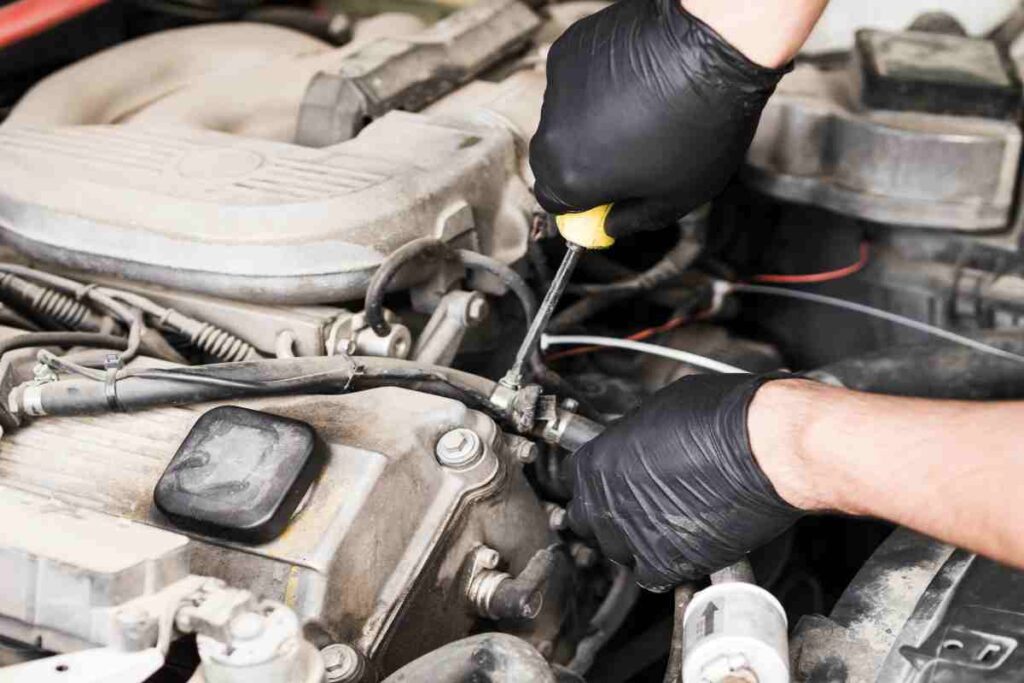
Chewed hoses or belts mean animals have bitten and damaged them, which can cause leaks or make the engine overheat work poorly. If these parts break while running, the vehicle can stop or get damaged.
Food Storage in the Engine
Food storage in the engine means small animals hide food inside the engine area. This can block parts, cause bad smells, and may lead to engine problems if not cleaned.
How to Check if Squirrels Have Been in Your Engine
To check if squirrels have been in your engine, look for chew marks on wires, leaves, or any debris inside the engine bay. You may also see nesting material near the battery or air filter, or smell urine or droppings. If your dashboard shows warning lights, it could be a sign that squirrels have damaged some wiring.
How to Keep Squirrels Out of Car Engine (Effective Methods)
Use Peppermint or Rodent Repellent Spray
Strong smells like peppermint or rodent repellent sprays keep squirrels away because they dislike the scent. Spray it safely around the engine area and reapply after rain to keep the protection strong.
Park Away From Trees and Bushes

Parking should always be done away from trees and bushes because they can hide animals and block your view. Tree branches also make it easy for animals to climb onto your car, which can cause damage. It’s better to choose open and well-lit parking spots so you can keep your vehicle safe and avoid hidden risks.
Keep the Hood Open Occasionally
Keeping the hood open occasionally lets sunlight and fresh air in, which discourages animals from nesting inside. This is especially helpful for cars parked long-term, as it keeps the engine area clean and less inviting for pests.
Install Rodent Deterrent Lights or Sound Devices
Installing rodent deterrent lights or ultrasonic sound devices helps keep pests away because the noise and sudden light disturb them. Place these devices near the car, especially in garages or driveways, so they work effectively and stop rodents from coming close.
Use Rodent Tape or Capsaicin Tape
Using rodent tape or capsaicin tape, like Toyota’s spicy-coated tape, keeps rodents away because they hate the strong taste and smell. When wrapped around wires, it prevents them from chewing and damaging your car’s wiring.
Remove Food Sources and Clean the Area
Removing food sources and keeping the driveway clean helps stop rodents from coming near your car. Avoid leaving food scraps, bird seed, or fallen nuts around, and clean the engine area regularly so pests don’t find anything that attracts them.
How to Repair Squirrel Damage (If Already Happened)
Fixing Chewed Wires
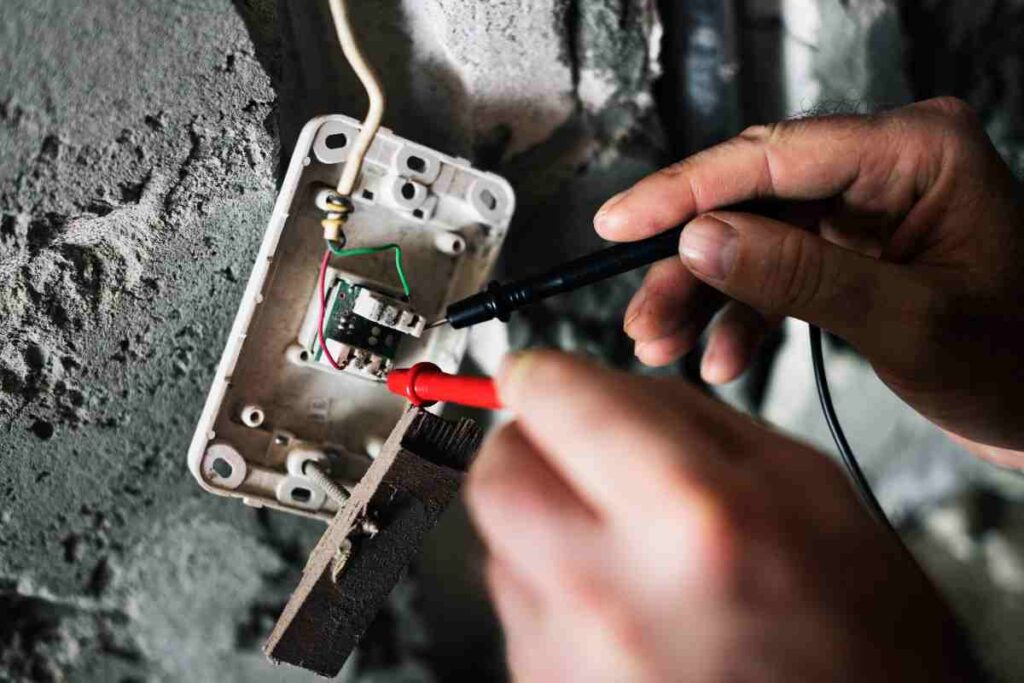
Fixing chewed wires starts with checking the wiring harness to see how much damage is done. Minor cuts can be repaired with electrical tape or heat-shrink tubing, but severely damaged wires may need replacement for safe car operation.
Removing Nests Safely
Removing nests safely means wearing gloves and clearing out any debris around the engine. After removing the nest, clean the area with a mild degreaser to keep it hygienic and prevent pests from returning.
Replacing Damaged Hoses or Insulation
Replacing damaged hoses or insulation starts by checking for signs like coolant leaks. Follow proper replacement steps to fix them and prevent the same damage from happening again.
When to Reset the System or Do a Test Drive
After repairing wiring, reset the system and check for warning lights using an OBD-II scanner. Take a short test drive to make sure everything works properly, and recheck once the engine has cooled.
Prevention
To prevent rodents, park in a garage when you can, or cover your car if it stays outside for a long time. Use peppermint oil-soaked cotton balls, install mesh screens, and keep the area around your car clean. Starting the car regularly also helps scare animals away and keeps your vehicle safe.
Frequently Asked Questions (FAQs)
How often should I check my engine for animal activity?
You should check your engine at least once a week, especially if the car is parked outside or not used regularly. Regular inspections help spot nests, chewed wires, or droppings early, preventing serious damage.
What should I do if squirrels return again and again?
If animals keep returning, use repellents, mesh screens, and keep the area clean to discourage them. Regularly starting your car and checking for signs of activity also helps prevent repeat visits.
What are signs that animals are near my vehicle?
Look for chewed wires, nests, droppings, or debris around the engine or under the car. Strange noises in the engine area can also indicate animal activity.
Which areas should I check regularly to prevent damage?
Inspect the engine bay, wiring harnesses, hoses, and insulation. Also check under the hood and around wheel wells for any signs of nests.
Conclusion
Squirrel activity can seriously damage wires, hoses, and insulation in your car, causing costly repairs. Most prevention methods are simple and inexpensive, like using repellents, mesh screens, or peppermint oil. Keeping the area around your car clean and free of food helps discourage pests. Regular inspections of the engine and wiring catch problems early before they get worse. Using deterrents and starting your car frequently can keep animals away permanently. Following these steps ensures your engine stays safe, efficient, and damage-free.