
Car owners usually want to inspect their cars, and to maintain a neat appearance, it is quite significant to ensure that the squirrels don’t enter the engine. Understanding how to prevent squirrels from entering the engine of a car will be useful in preventing the destruction of the important parts and thus acts as a safeguard to a running car. Upon the access of the squirrels into the engine compartment, the wire, insulation, or hose can get chewed by the squirrels, thus causing an electrical problem, a leak, or a situation that causes the check engine light to be on. I strongly recommend that your engine be covered up and be free of rodents due to the sensitivity of the systems and wires in cars; hence, since nearly every car requires a different arrangement of wires and sensors, it is mainly to keep certain sensitive items of the car, like the sensors, wiring, and parts, out of reach of rodents.
When thinking about how to prevent squirrels in your car engine, implementing the appropriate preventive strategies will help you to save money and prevent additional breakdowns and other unforeseen inconveniences related to the damages of rodents. The design of a secured engine bay will help in preventing the nesting of the squirrels, besides enabling you to know every activity that has occurred, such as chewing materials or dropping, which can cause serious complications once they occur. The maintenance and use of the car can be well maintained by regular checkups and measures such as repellents, proper parking habits, and maintenance of the area, hence making sure that the car will be running effectively.
Why Do Squirrels Get Into Car Engines?
The main reason behind Squirrels taking up car engines or car hoods is that the place is warm, sheltered, and they have an easy time nesting. The engine, therefore, makes it a very attractive place even after the car has been parked, as it will remain warm for hours. They can also be attracted by the smell of food that is left in the vehicle, or near the vehicle, and also the soft insulation material that is contained in the engine bay. Squirrels, in a few instances, chew on wires due to the fact that most of the contemporary vehicles have soy-coated the wires and the rodents like them. Such reasons are understood so that their owners can take the necessary measures to prevent the appearance of the squirrels and make the car engine bay their living place.
Most Common Problems Squirrels Cause in Car Engines
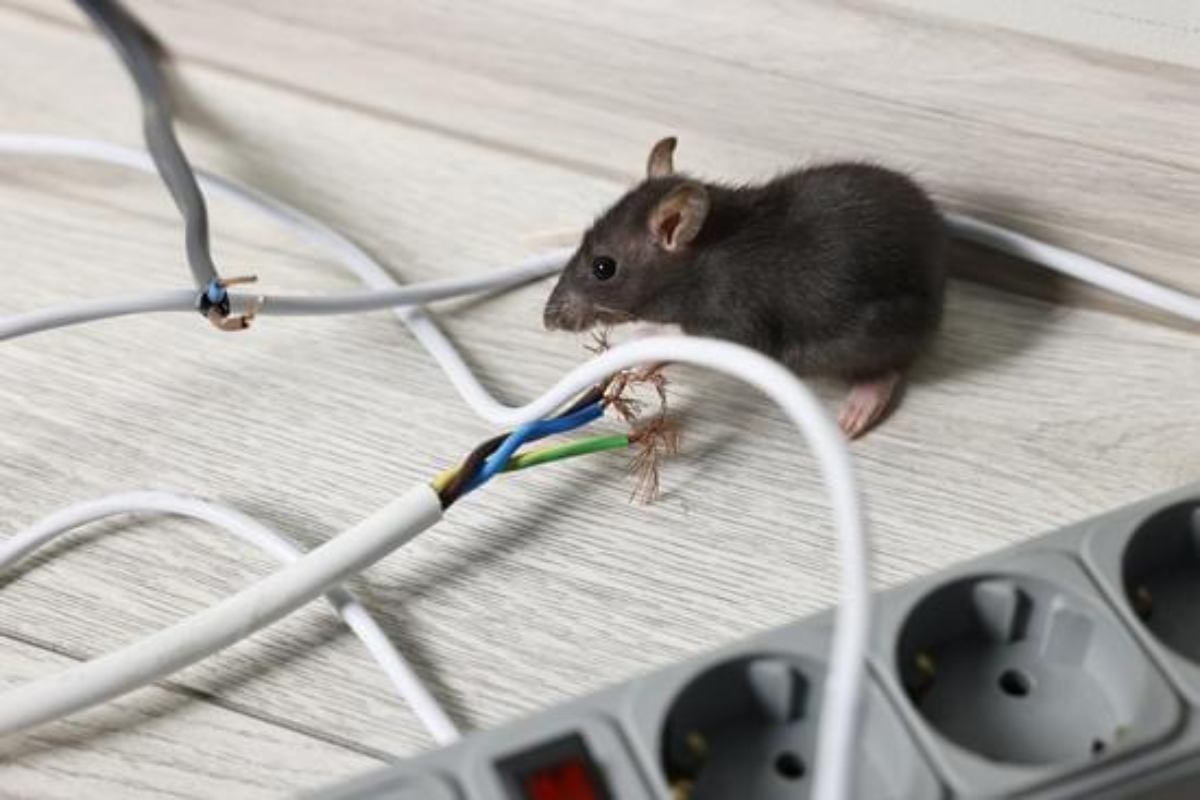
1. Chewed Wiring
Chewed wiring. The wires are either chewed by animals or wear and tear in the process might halt the working of your device. This is also hazardous owing to the fact that broken wires may result in short circuits or sparks.
2. Nesting Inside the Engine Bay
Nesting in the engine Birds or little by little, animals nest in the engine, which can hamper the parts and performance that are not supposed to be. This may as well lead to destruction, whereby the nest material comes in contact with moving or hot engine parts.
3. Insulation Damage
Insulation damage. This is the damage to the protective coating of a wire. This may lead to the contact of wires, thus resulting in issues such as short circuits or failure of devices.
4. Chewed Hoses or Belts
Chewed hoses or belts, animals have bitten and chewed them, resulting in leakage, or resulting in overheating or ineffectiveness of the engine. These components may break during the running process and therefore, may cause the vehicle to stop or may be damaged.
5. Food Storage in the Engine
Food is stored in the engine. This involves hiding food in the engine by the inside choice of small animals. This has the ability to clog components, produce poor smells, and can result in engine complications unless it is washed.
How to Check if Squirrels Have Been in Your Engine
Check whether the squirrels have been inside your engine. To determine whether the squirrels have been inside your engine, one has to look at chew marks on wires, leaves, or any debris found in the engine bay. You can also be able to encounter nesting material around the battery, filter air, or the odor of urine or droppers. A dashboard warning light may also be an indication that some wiring has been chewed by the squirrels.
How to Keep Squirrels Out of Car Engine (Effective Methods)
1. Use Peppermint or Rodent Repellent Spray
Project Strong odours such as peppermint or rodent repellent sprays are used to make sure that the engine will be free of the squirrels, as they do not like the odours. Spray it securely around the engine section and re-spray after rain in order to maintain the protection firm.
2. Park Away From Trees and Bushes
Parking must never be made near trees and bushes, as they may harbor animals and obscure your sight. It is also easy to get animals climbing onto your car through tree branches, thus breaking it. It is preferable to park in open and free parking spaces, whereby the vehicle is not hidden from danger of the unknown.

3. Keep the Hood Open Occasionally
Having the hood open sometimes allows the sunlight and air to enter the car, and the animals are not willing to nest in the car, hence preventing nesting. This is very convenient, especially when cars are parked for a long period, and the engine area is therefore clean and not attractive to get infested by pests. Moreover, in case your car is shaking, it is worth checking the cleanliness of the engine compartment, which may cause the vibration referred to as chewed-wire, chewed-belt, or chewed-hose.
4. Install Rodent Deterrent Lights or Sound Devices
Rodent deterrent lights or ultrasonic sound devices should be installed to keep the rodents out due to the disturbance it creates. These devices should be put close to the car and, in particular, in the garages or driveway, which makes them work and prevents rodents from approaching them.
5. Use Rodent Tape or Capsaicin Tape
Rodents are kept away with the help of rodent tape or tape styles such as the spicy-coated tape used by Toyota, since rodents dislike the bitter taste and smell. It can be used on wires when wrapping them, which will prevent them from chewing and destroying the wiring of your car.
6. Remove Food Sources and Clean the Area
Rodents attracted by your car when you leave food sources and leave the driveway dirty. Concrete will prevent rodents near the car. One should not keep their food scraps, bird feed, or even their fallen nuts lying around, and clean the engine compartments regularly to ensure that such pests do not become attracted to attracting them.
How to Repair Squirrel Damage (If Already Happened)
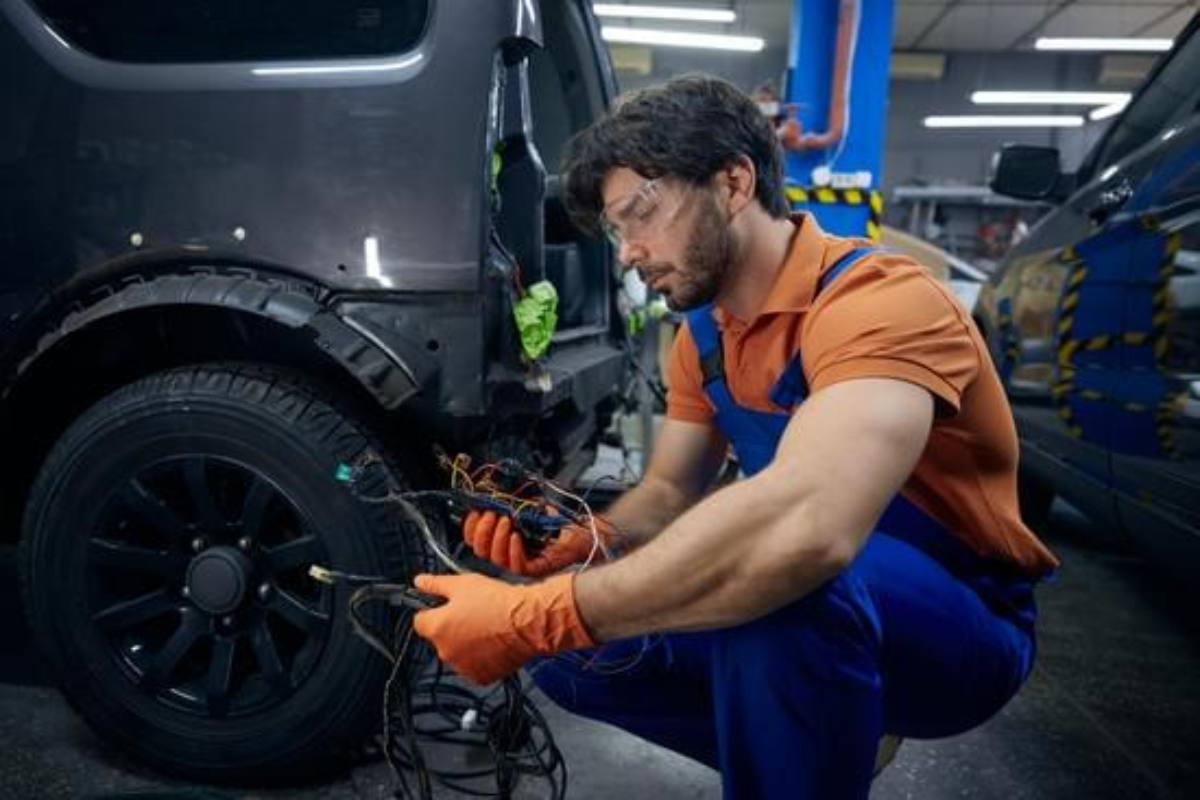
1. Fixing Chewed Wires
Fix chewed wires. This is done by first checking the wiring harness to determine the extent of the damage. In major cases of wires being cut, electrical tape, or heat-shrink tubing may repair minor ones, yet seriously damaged wires might be required to be replaced in order to operate a car safely.
2. Removing Nests Safely
Cleaning of the nests. It is good to remove nests under gloves and clean the surroundings of the engine. Once the nest is removed, then clean the area using a mild degree of de-greaser to ensure that the area is clean and to prevent any reinfection of the pests.
3. Replacing Damaged Hoses or Insulation
Replacement of hoses or insulation. Once a hose or insulation is damaged, it must always replace damaged insulation or hoses by examining problems such as leaks of coolant. Correct replacement procedures can be undertaken in order to repair it and avoid the occurrence of the same damage.
When to Reset the System or Do a Test Drive
Having fixed wiring, test the system by setting it using the OBD-II scanner and checking whether the warning lights appear or not. Do some short test driving to have everything working, after which a reassurance check is done after the engine has cooled down.
Prevention
To keep rodents off, leave your car in a garage, or wrap your car when it is not in use. Apply peppermint oil on cotton balls, lay mesh screens, and make the surroundings of your car clean. Driving the car on a regular basis is also a way of scaring animals and ensuring that your vehicle is secure.
Video Guide:
How to deal with the squirrels in your car engine? This video illustrates the possible ways to prevent keeping the squirrels in your car engine and breaking it.
FAQs
1. What is the frequency of inspection of my engine for the presence of animals?
The regular check your engine should not be neglected, at least once a week, and this time in case the car is parked outside or is not used regularly. When inspected on a regular basis, one can notice the nests, chewed wires, and droppings in time, avoiding serious destruction.
2. So, what shall I do in case the same thing happens? (with the resurgence of the squirrels)?
When the animals continue to come back, then the animal areas should be discouraged by the use of repulsive materials, screens and keeping them clean. It is also recommendable to start your car regularly and ensure that you observe whether there is any activity or not that will deter recidivism.
3 What are the indications of animals present around my car?
Check the surroundings of the engine or beneath the automobile for chewed wires, nests, and droppings or traces of debris. Weird sounds under the engine may also be a sign of the activity of the animals.
4. What are some of the spots that I would examine to avoid destruction?
Check out the engine bay, wiring harnesses, and hoses, as well as insulation. In addition, examine beneath the hood and beneath the wheel wells in regard to the presence of nests.
Conclusion
Squirrel activity is capable of causing serious damage to wires, hoes and insulation of your car, resulting in costly repairs. The majority of the prevention techniques are easy and do not require a lot of money, such as the use of repellents, mesh screens, or peppermint oil. The maintenance of the space near your automobile should be clean and clear of edibles, which discourages pests. Such inspections on a regular basis of the engine and wiring identify problems at an early stage before they become worse. Scaring away animals with the help of deterrents and frequent start-ups will ensure that the animals never come close. These steps would preclude the possibility of damaging, inefficient, and unsafe engines.