
Car owners often notice the steering wheel is hard to turn when driving at low speeds or while parking. Understanding how the power steering system works helps in identifying the root cause of this issue. Factors such as low power steering fluid, worn steering components, or reduced hydraulic pressure can make steering feel unusually heavy. Ignoring early signs can increase strain on the steering system and lead to costly repairs. Addressing the problem promptly improves vehicle control, prevents further mechanical damage, and ensures safe and comfortable driving.
Understanding why the Steering Wheel is Hard to Turn at Low Speeds helps drivers avoid sudden handling problems. Yes, steering resistance at low speeds is common and usually linked to power steering assistance issues. Slight stiffness or extra effort while turning often appears during parking or slow maneuvers. Addressing steering resistance early improves vehicle control, prevents component wear, and keeps the car safe, reliable, and easy to drive.
How the Power Steering System Works to move the wheel
The power steering system eases steering using fluid pressure or an electric motor. At low speeds, like during parking, it works harder, so if the system fails or pressure drops, the wheel becomes stiff. Understanding this helps identify problems during car inspections.
Common Reasons and fixes for the Steering Wheel Becoming Hard to turn
There are several common reasons why the steering wheel becomes hard to turn, including low fluid, worn components, or failing power steering parts. Most of these issues are easy to diagnose and fix with regular maintenance or minor repairs.
1. Low Power Steering Fluid
Low power steering fluid can make the steering wheel hard to turn, especially at low speeds. It may cause whining noises, jerky steering, and indicate leaks in the system. If not fixed, it can damage the power steering pump.
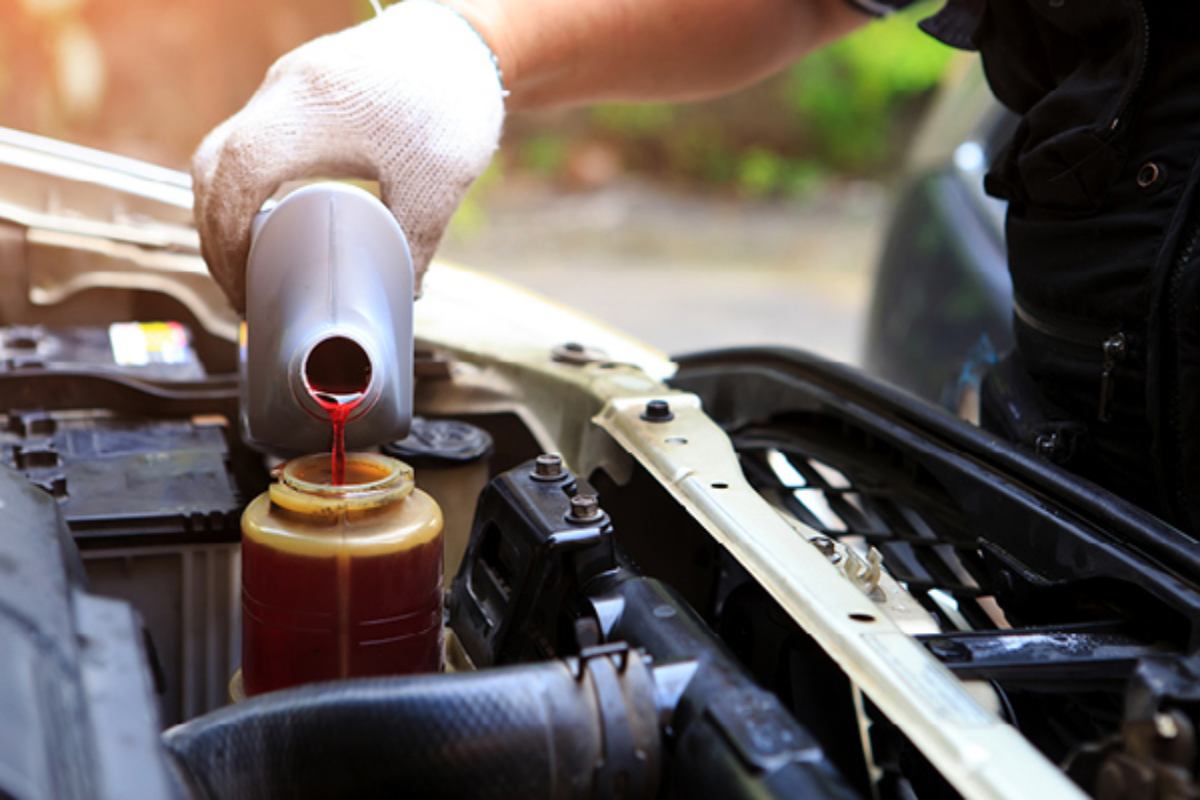
Check the power steering fluid level and refill it if needed using the correct type recommended by the manufacturer. Inspect hoses and seals for leaks, and replace old or contaminated fluid to restore smooth and easy steering.
2. Old or Dirty Steering Fluid
Over time, steering fluid can become thick and contaminated, which increases friction inside the system. This often leads to steering stiffness at low speeds, making it harder to turn the wheel while parking or maneuvering slowly.
Old or dirty steering fluid can cause the steering to feel stiff, noisy, or unresponsive. To fix this, flush the old fluid and refill with fresh, clean power steering fluid as recommended by the car manufacturer. Regularly checking and replacing the fluid helps keep the system working smoothly.
3. Failing Power Steering Pump
The power steering pump creates the pressure needed to assist the steering system. When the pump is weak or failing, it cannot provide enough force, causing difficulty turning the steering wheel, especially at low speeds. You may also notice whining or unusual noises while turning.
Have a certified mechanic inspect the power steering pump, especially if the car is shaking while turning or driving at low speeds. If the pump is failing, replacement is usually required. Regular maintenance, including checking fluid levels and the condition of the pump, helps prevent this problem and restores smooth, stable steering.
4. Worn or Loose Drive Belt
The drive belt powers the steering pump in hydraulic steering systems. When the belt is worn, loose, or slipping, pressure to the pump drops instantly, making the steering less responsive. This often causes the car steering to feel heavy, especially during low-speed turns or parking.
A worn or loose drive belt can make the steering hard and cause squealing noises. To fix it, inspect the belt for cracks or looseness and tighten or replace it if needed. Regularly checking the belt ensures smooth power steering operation.
5. Electric Power Steering Motor Issues
Electric steering systems use motors and sensors to help turn the wheels. If they fail, steering assistance drops at low speeds, making control harder. Warning lights may appear. Just like using the wrong car oil in a lawn mower can harm the engine, wrong parts or fluids in the steering system can cause stiffness.
Electric power steering problems can make the wheel heavy or hard to turn. You can check the car battery, replace any blown fuses, and ensure all wiring to the motor is clean and secure. These steps can help fix the issue on your own.

6. Steering Rack or Suspension Problems
The steering rack is responsible for controlling wheel movement. When components like the rack, tie rods, or suspension parts are worn, steering resistance increases. Ignoring these issues over time makes the steering stiffer and harder to control.
Steering rack or suspension problems can make the steering feel loose, stiff, or uneven. You can check for visible damage, loose bolts, or worn bushings and tighten or replace any parts that are clearly damaged. Regularly lubricating joints can also help improve steering performance.
7. Environmental and Driving Conditions
Cold weather can temporarily thicken steering fluid, making the wheel harder to turn. Long periods of parking can stiffen components, and rough driving increases wear on steering parts. All these factors contribute to steering stiffness at low speeds.
Regular maintenance can help prevent these issues. Check and replace steering fluid as needed, keep moving the vehicle regularly, and inspect steering components for wear. Just like learning how to clean a car engine bay helps maintain engine performance, taking care of the steering system ensures smooth and safe operation.
How to Check why wheels are hard to move at Home
If your steering feels heavy or the wheels are hard to turn, start by checking the power steering fluid and looking for leaks under the car.
Just as keeping squirrels out of the car engine prevents damage, routine maintenance protects steering components and ensures easier control.
Prevention Tips
- Regular maintenance helps keep the steering smooth and responsive.
- Always check oil while the car is running and inspect power steering fluid levels during routine oil changes.
- Pay attention to small changes in steering and address them early.
- Taking good care of your steering system improves safety and driving comfort.
Video Guide:
Frequently Asked Questions(FAQs)
1. Why does my steering feel heavy at low speeds?
This usually happens due to low power steering fluid, worn components, or issues with the steering pump. Regular maintenance can prevent this problem.
2. Can low tire pressure affect steering effort?
Yes, underinflated tires increase resistance and make the wheel harder to turn. Keeping tires properly inflated improves handling and reduces strain on the steering system.
3. Is it safe to drive with stiff steering?
It’s generally safe for short distances, but driving frequently with a stiff wheel can worsen component wear and affect control.
4. What causes unusual noises when turning the steering wheel?
Unusual noises can be caused by low power steering fluid, a failing pump, worn belts, or damaged steering components. Regular inspection can help identify the source early.
5. Can rough driving damage the steering system?
Yes, frequent sharp turns, potholes, or rough terrain can wear out steering components faster and increase stiffness. Proper maintenance and careful driving reduce damage.
Conclusion
Hard steering at low speeds is a warning sign that should not be ignored. Most causes, such as low fluid, worn belts, or failing pumps, are common and easy to fix. Early attention to steering issues saves both money and stress. Regular maintenance keeps the steering system smooth and responsive. Addressing problems promptly improves vehicle control and safety. Taking care of your steering ensures a comfortable and safer driving experience.